
BBC Report Highlights Rising Executions of Ethiopians in Saudi Arabia Amid Rights Concerns
BBC Report Highlights Rising Executions of Ethiopians in Saudi Arabia Amid Rights Concerns
—————————————
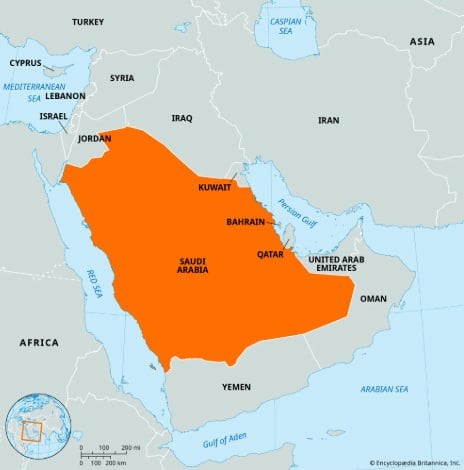
The BBC has reported receiving leaked distress messages from inside Khamis Mushait Prison in Saudi Arabia, allegedly sent by foreign detainees, mostly Ethiopian nationals, who are facing death sentences amid a reported rise in executions in the kingdom, particularly in drug-related cases.
According to the report, Saudi authorities have executed 17 Ethiopian citizens since the beginning of this year, including five people executed on a single day. The cases have raised concerns among international human rights organisations over trial procedures and detention conditions.
The detainees who managed to send messages from inside the prison reportedly expressed fears that more executions could take place and called for international organisations to monitor their legal and humanitarian situation.
The BBC cited rights groups alleging violations in some cases, including limited access to legal representation and interpreters during investigations and trials. Some detainees were also reportedly forced to sign Arabic-language statements or documents without fully understanding their contents.
Human rights organisations have criticised what they describe as a lack of transparency surrounding detention conditions and judicial procedures, saying insufficient information about trials has increased concerns over fair trial guarantees and defendants’ rights.
The issue comes as international rights groups continue to urge Saudi authorities to review the use of the death penalty and ensure trials meet international standards, particularly in cases involving foreign workers and migrants who may face language and legal barriers.
Saudi authorities have not issued a public response to the allegations cited in the BBC report. Rights groups continue to call for greater monitoring of death-row prisoners and the protection of their legal and humanitarian rights.