
Beyond Borders: The Quran’s Enduring Influence on Russian Literature
Beyond Borders: The Quran’s Enduring Influence on Russian Literature
————————
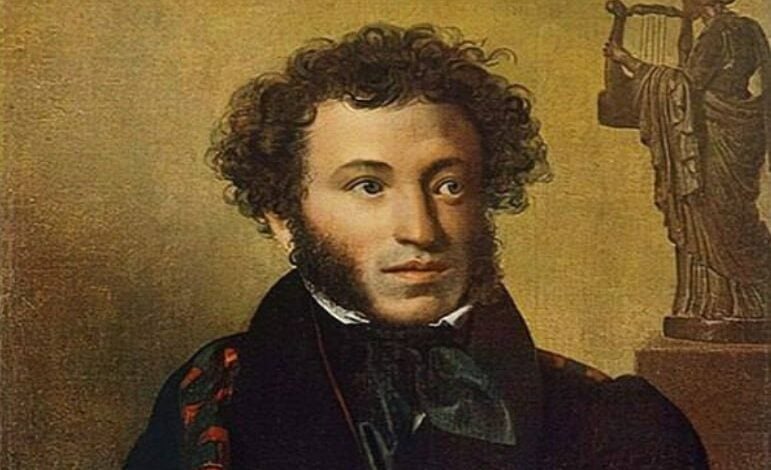
The universal appeal of the Quran has long transcended linguistic and religious boundaries, leaving a profound mark on some of the world’s most celebrated literary figures. According to reports viewed by the Shia Waves News Agency, the spiritual and rhythmic power of the Quran was a significant source of inspiration for the “father of Russian literature,” Alexander Pushkin.
According to historical records, Pushkin’s fascination with Islamic scripture culminated in his famous 1824 cycle of poems titled Imitations of the Koran (Podrazhaniye Koranu). Written during his period of exile, these nine poems reflect his deep admiration for the Quranic style, its moral clarity, and its poetic structure. Pushkin was particularly moved by the themes of justice, the oneness of God, and the steadfastness of the Prophet, using these motifs to explore his own feelings of isolation and spiritual resilience.
Scholars emphasize that Pushkin did not merely copy the text but sought to capture its “oriental” spirit and philosophical depth. This work is credited with introducing a generation of Russian intellectuals to the beauty of Islamic thought, proving that the Quran’s message resonates far beyond the borders of the Muslim world. According to literary experts, Pushkin’s engagement with the Quran remains a cornerstone of cross-cultural dialogue, demonstrating how sacred texts can inspire artistic genius across different faiths and eras.