
Afghanistan Marks World Television Day Amid Taliban Restrictions on Media Freedom
Afghanistan Marks World Television Day Amid Taliban Restrictions on Media Freedom
——————————————-
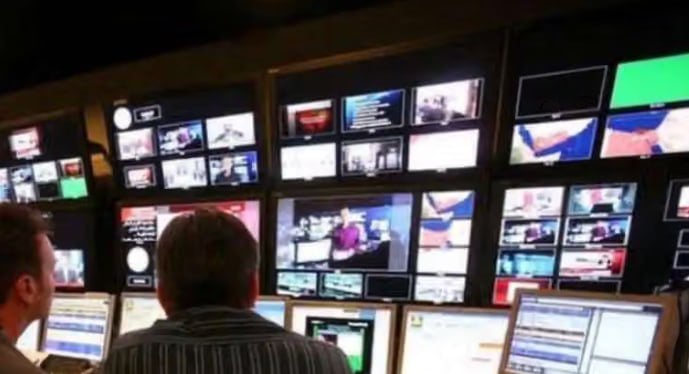
World Television Day is being observed as Taliban restrictions continue to undermine independent journalism in Afghanistan, with television stations closing, female journalists facing professional barriers and visual reporting increasingly restricted.
Since returning to power in August 2021, the Taliban have introduced measures restricting media operations, including compulsory face coverings for female television presenters, censorship of political programmes and a ban on broadcasting images of living beings under the 2024 Law on the Promotion of Virtue and Prevention of Vice.
According to the Afghanistan Journalists Centre (AFJC), the ban on images has expanded to 25 of Afghanistan’s 34 provinces, forcing at least 21 local television stations to stop broadcasting. Its 2026 annual report also documented 207 violations of media and journalists’ rights during the reporting year.
Female journalists face additional restrictions, including limited access to official sources, restrictions on interviews and exclusion from certain media activities. Meanwhile, media outlets face pressure over programme content, political discussions and editorial independence.
In a recent investigation, Reporters Without Borders (RSF) documented arbitrary arrests, threats and torture of journalists, identifying the Taliban intelligence agency’s Directorate 015 as a central part of the campaign against independent reporting.
Observed annually on 21 November, World Television Day highlights television’s role in informing the public, promoting education and supporting social development. Afghanistan’s media restrictions underscore the challenges facing these principles under Taliban rule.