

African Journalists Face Unpaid Salaries, Threats and Growing Pressure, Survey Finds
African Journalists Face Unpaid Salaries, Threats and Growing Pressure, Survey Finds
————————————
Journalists across Africa are facing worsening working conditions, including delayed salaries, job insecurity, intimidation and inadequate legal protection, raising concerns about the future of independent journalism and the public’s right to information, according to a new continent-wide survey.
The survey, conducted by the Federation of African Journalists with support from UNESCO, collected responses from 1,586 journalists across 45 African countries. It found that 61 per cent of respondents earned insufficient income to meet basic living expenses, while 58 per cent experienced delayed salary payments and 62 per cent had no written employment contracts.
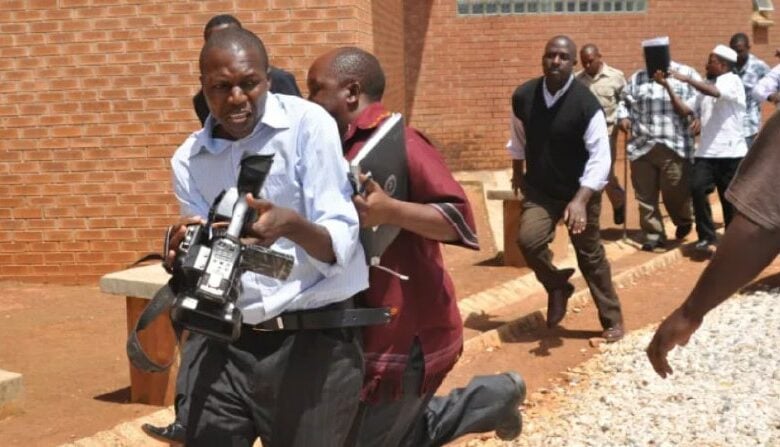
The findings also highlighted growing threats to press freedom and journalists’ safety. Some 84 per cent of respondents reported practising self-censorship, while 69 per cent said threats had forced them to avoid certain stories. Additionally, 65 per cent had experienced work-related intimidation or threats during the previous three years, and 78 per cent lacked access to legal support through their workplaces.
The report warned that financial insecurity and physical threats are undermining investigative journalism, increasing the risk of external influence and limiting journalists’ ability to scrutinise those in power. Female journalists face additional challenges, including online harassment, sexual intimidation and unequal pay. Meanwhile, 44 per cent reported frequent burnout, and 47 per cent had considered leaving the profession.
However, the report highlighted progress in several countries, including Mauritania, Morocco and Namibia, where collective bargaining, improved employment contracts and stronger labour protections have helped secure better conditions for media workers.
The survey called on African governments and media organisations to ensure timely salaries, written contracts, social protection, legal assistance and stronger safeguards against intimidation. It also emphasised the importance of recognising freelance journalists’ labour rights and supporting collective representation.