
The Legacy of Two Decades of War in Afghanistan: Over 40,000 Dead and 77,000 Injured, Psychological Trauma Haunting Survivors
The Legacy of Two Decades of War in Afghanistan: Over 40,000 Dead and 77,000 Injured, Psychological Trauma Haunting Survivors
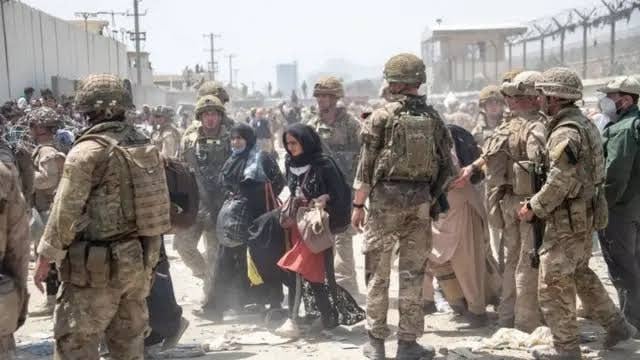
The United Nations Assistance Mission in Afghanistan (UNAMA) has revealed the extensive long-term humanitarian repercussions of the armed conflicts that have ravaged the country over the past two decades. The report highlights the deaths of more than 40,000 people and the injuries sustained by nearly 77,000 others during the period from 2001 to 2021. Thousands of survivors continue to suffer from physical disabilities and profound psychological trauma.
An investigative report by the UN mission demonstrated that the effects of the war did not cease with the end of major military operations. Permanent injuries, chronic pain, and mental health disorders continue to cast a shadow over the lives of victims and their families, amidst limited rehabilitation services and specialized support.
The report was based on in-depth interviews with 195 conflict victims and their families, alongside consultations with 23 non-governmental organizations and 23 government officials. It aimed to identify the ongoing needs of those affected by the war and the challenges they face in accessing services.
According to the findings, more than half of the individuals surveyed suffer from severe or permanent physical injuries, including mobility disabilities, limb amputations, and other injuries that have resulted in chronic pain and affected their ability to lead normal daily lives.
The report noted that access to physical therapy, rehabilitation, and prosthetics services has become increasingly difficult in recent years, exacerbating the suffering of the injured, particularly women, children, and families lacking the financial means to afford long-term care.
On the psychological front, the study indicated that most interviewees are experiencing high levels of psychological and emotional distress, including depression, anxiety, panic attacks, and the re-experiencing of memories related to traumatic events.
The data warned that without appropriate psychological and social support, these disorders could have consequences extending beyond the direct victims of the war, reaching their families and future generations, especially given the fragile state of Afghanistan’s mental health infrastructure.
The report highlighted the role of humanitarian organizations in providing rehabilitation services, psychological and social support, and livelihood assistance. However, a decline in international funding and restrictions imposed on humanitarian work are impeding their ability to reach those in need.
Furthermore, it warned that restrictions on women’s work particularly affect women’s and girls’ access to certain care services, owing to the importance of female staff in providing health and psychological services within the Afghan social context.
The findings underscore that addressing the legacy of war in Afghanistan goes beyond responding to urgent living needs. It requires long-term programs for physical, psychological, and social rehabilitation of victims to help them regain the ability to participate in economic and social life.
The ongoing suffering of survivors raises concerns about the transmission of psychological trauma effects to future generations, at a time when Afghanistan faces intertwined economic and humanitarian crises. Healing the physical and psychological wounds left by decades of conflict is seen as a fundamental part of any path towards stability and societal recovery.