
Scientists Warn of Approaching Dangerous Climate Tipping Points
Scientists Warn of Approaching Dangerous Climate Tipping Points
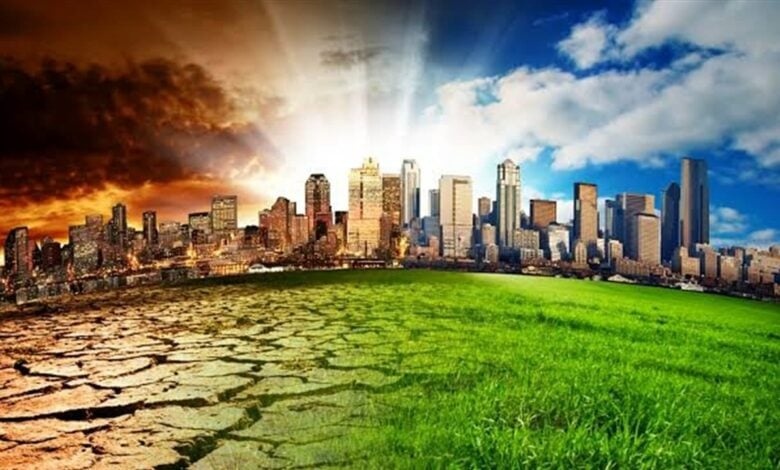
Scientists and climate researchers have warned that several of the world’s major ecosystems are nearing critical tipping points. Crossing these thresholds could lead to accelerated and interconnected changes that threaten the stability of natural systems and increase risks to human societies.
According to a report published by the British newspaper “Daily Star,” the main sources of concern include the Amazon rainforest, polar ice sheets, and permafrost, amidst the continued rise in global temperatures. Researchers believe the danger is not limited to each phenomenon individually but extends to the potential for these tipping points to interact. Changes in one system could exert additional pressure on others, triggering a cascade of consequences that become increasingly difficult to halt.
The melting of ice sheets is one of the most prominent of these risks, due to its potential to raise sea levels and threaten coastal areas. Continued warming could render some regions less habitable, increasing the likelihood of climate-related displacement. Conversely, the decline of the Amazon rainforest could weaken its capacity to absorb carbon dioxide, thus escalating the accumulation of greenhouse gases and intensifying pressure on the climate system.
Scientists also warn of the melting permafrost that covers vast areas of the planet’s northern regions. It contains organic materials and gases trapped for thousands of years. Their release as temperatures rise could complicate the climate crisis further. Professor Will Steffen, an emeritus professor at the Australian National University, noted that correcting the course of some changes might take decades, as the time available to avoid more severe impacts is diminishing. He cautioned that crossing one climate threshold could increase the likelihood of reaching others.
The researchers emphasized that reaching a tipping point does not necessarily imply an immediate collapse of human systems. However, the accumulation of these changes heightens the risks, making the reduction of emissions and enhancement of societies’ ability to adapt to the effects of climate change even more urgent.