
Poland Explores Establishing Museum to Preserve History, Cultural Heritage of Muslim Tatars in Podlaskie
Poland Explores Establishing Museum to Preserve History, Cultural Heritage of Muslim Tatars in Podlaskie
—————————————————
Poland is considering the establishment of a dedicated museum documenting the history and heritage of the Muslim Tatar community in the Podlaskie region, as part of efforts to protect and promote their cultural and religious legacy.
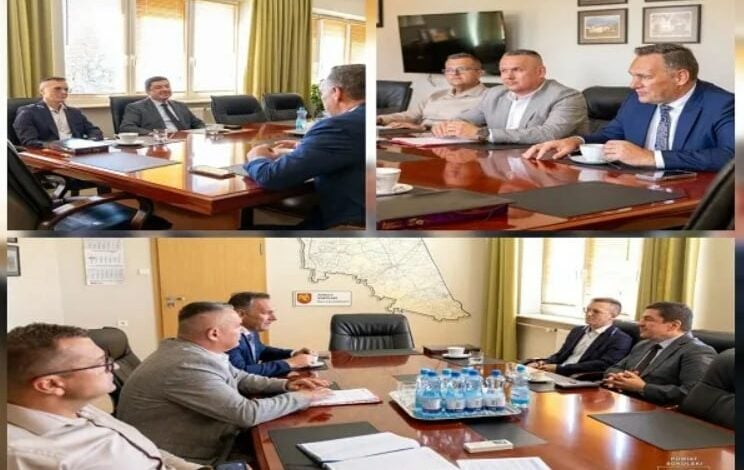
The proposal was discussed during a meeting between the Mufti of the Republic of Poland, Sheikh Tomasz Miśkiewicz, and Sokółka County Governor Piotr Rećko, where both sides explored ways to strengthen cooperation in preserving the historical heritage of Polish Tatars and supporting initiatives that highlight their identity and contributions to Polish society.
The discussions focused on creating a specialized museum site or a branch of an existing museum that would collect, preserve, and display historical documents, artifacts, and materials related to the presence of Muslim Tatars in Poland, while introducing visitors and local communities to their centuries-old history.
The meeting highlighted the significance of the Podlaskie region as one of the main centers of historic Tatar settlement in Poland. Some communities, including Kruszyniany, have maintained a Tatar presence for more than three centuries, with the region home to important Islamic heritage sites such as historic mosques and Muslim cemeteries.
The two sides also discussed broader cultural, educational, and tourism initiatives, including organizing events and programs that showcase Tatar traditions, Islamic heritage, and the religious and cultural diversity that has characterized Podlaskie throughout history.
Officials emphasized that preserving Tatar heritage goes beyond maintaining historic buildings and religious sites, extending to documentation, education, museum development, cultural festivals, and heritage tourism. Such efforts aim to ensure that the history and legacy of Poland’s Muslim Tatars remain preserved and accessible for future generations.