

Europe Heatwave Raises Fears of Rising Death Toll Amid Escalating Health Warnings
Europe Heatwave Raises Fears of Rising Death Toll Amid Escalating Health Warnings
——————————————–
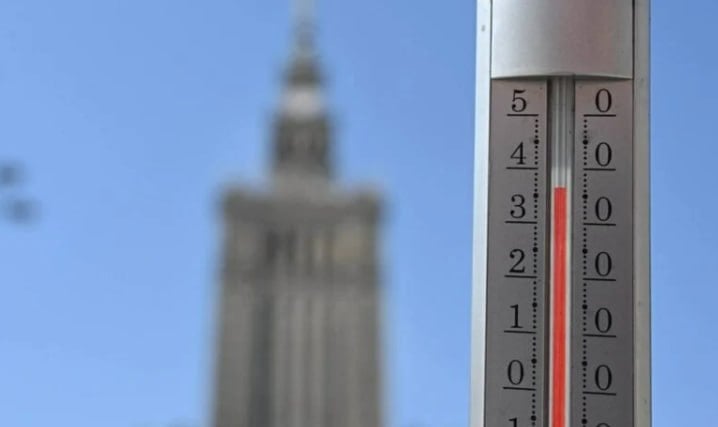
European countries are assessing the human impact of a severe heatwave that swept across the western part of the continent in recent days, with temperatures exceeding 40 degrees Celsius in several areas.
Officials and experts warn that the heat may have caused hundreds, and possibly thousands, of deaths in one of Europe’s harshest heatwaves in recent years.
According to estimates, at least 191 million people were exposed to temperatures above 35 degrees Celsius last week, as health authorities began counting deaths linked to the heatwave.
France’s national public health agency reported around 1,000 excess deaths above normal levels during the heatwave period, warning that the final toll could be higher as data reviews continue. The agency said people over the age of 65 accounted for about 85 percent of the deaths, while deaths inside homes rose notably, especially in the Île-de-France region, which includes Paris and its suburbs.
The developments recall the historic 2003 European heatwave, which killed around 70,000 people and prompted governments to adopt heatwave response plans. However, experts say Europe still faces major challenges in protecting people from the effects of rising temperatures.
Hans Kluge, the World Health Organization’s regional director for Europe, said many European countries remain insufficiently prepared for repeated heatwaves. He stressed that extreme heat should be treated as an ongoing public health crisis, not merely a temporary weather event.
Specialists say climate change and Europe’s ageing population are among the main factors increasing heat-related deaths. WHO estimates indicate that Europe recorded more than one-third of global heat-related deaths between 2000 and 2019, despite accounting for less than 10 percent of the world’s population.
Europe’s infrastructure also faces additional challenges. Many buildings were designed to retain heat during winter, while air conditioning remains less common than in other regions. This increases the risk of heat stress, especially inside homes, workplaces, schools, and healthcare facilities.