
Concerns Rise Over Restrictions on Religious Rights of Shia in Taliban-Controlled Afghanistan
Concerns Rise Over Restrictions on Religious Rights of Shia in Taliban-Controlled Afghanistan
———————————————
Reports and analyses on the situation of Shia Muslims in Afghanistan indicate growing concern over the curtailment of their religious, social, and legal rights under Taliban rule.
The Shia community has long suffered under Sunni Extremist Leaders in Afghanistan, but under the Taliban Administration, the circumstances have reached an unprecedently unfavourable status for the long-oppressed community. Activists and analysts have particularly highlighted issues surrounding the application of the Shia Personal Status Law and the Taliban’s handling of religious matters.
Since the Taliban regained power, many of the promises made regarding minority rights have faced skepticism and criticism due to the lack of practical implementation. According to the Afghan daily 8am, recent debates have focused on potential violations of the Shia Personal Status Law, which governs private and family legal matters, including identity registration, marital status, divorce, citizenship, and child custody. The law has historically been central to protecting the religious and legal rights of Afghanistan’s Shia community, particularly the Hazara ethnic group.
Local reports suggest that Shia activists and cultural figures are increasingly concerned about declining political participation and limitations on their community’s social and religious roles. Analysts warn that continued strict policies by the Taliban could deepen ethnic and sectarian divisions.
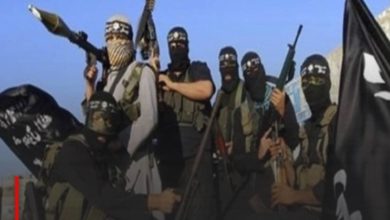
Security remains a major issue, with targeted attacks by extremist groups against Shia religious and educational institutions in recent years heightening fear within the community. Political experts note that the future of Taliban relations with religious minorities will largely depend on how the group respects the rights of different ethnic and religious communities, a challenge that continues to confront the current administration in Kabul.