
Iliad Fragment Found in Mummy Offers New Insights into Roman Egypt’s Cultural Practices
Iliad Fragment Found in Mummy Offers New Insights into Roman Egypt’s Cultural Practices
—————————————
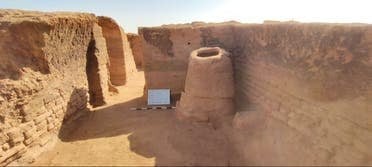
A groundbreaking discovery in Egypt has uncovered a fragment of Homer’s Iliad, marking the first known instance of a literary text being used in mummification. The papyrus was found inside a Roman-era tomb in the ancient city of Oxyrhynchus (modern Al Bahnasa), providing new evidence of cultural practices in Roman Egypt.
The fragment, dating back approximately 1,600 years, was placed on the abdomen of a mummy as part of the embalming process. This discovery is significant because it’s the first known case of a Greek literary work, rather than a ritual or magical text, being intentionally included in a funerary context.
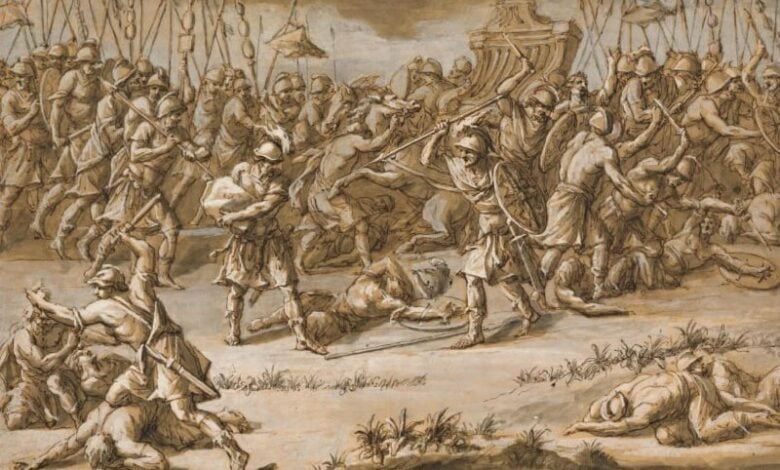
The papyrus contains the Catalogue of Ships from Book II of the Iliad, one of the most famous and influential parts of Homer’s epic, which lists the Greek forces before the Trojan War. This discovery sheds light on how ancient Egyptians repurposed Greek literature, not just for magical or religious purposes, but as part of their funerary rituals.
The excavation was led by archaeologists Maite Mascort and Esther Pons from the Institute of Ancient Near East Studies at the University of Barcelona, with further analysis conducted by papyrologists and conservators. This find provides valuable insight into the cultural exchange between Roman Egypt and Greek literary traditions.