
Study Links Economic Sanctions to Rising Civilian Deaths Over Five Decades
Study Links Economic Sanctions to Rising Civilian Deaths Over Five Decades
——————————–
A global study finds economic sanctions linked to tens of millions of civilian deaths over five decades, raising humanitarian concerns.
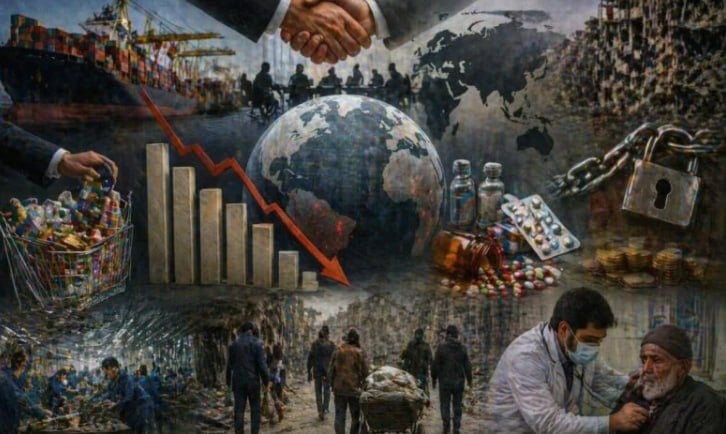
A growing body of international research is intensifying debate over the humanitarian impact of economic sanctions, with recent findings suggesting that such measures have contributed to millions of civilian deaths worldwide over the past 50 years.
According to studies cited by Radio France Internationale and published in The Lancet Global Health, an estimated 38 million people may have died between 1971 and 2021 as a direct or indirect result of economic sanctions. Researchers say many of these deaths are linked to reduced access to food, medicine, and healthcare services, particularly in low-income and conflict-affected countries.
The report highlights that sanctions—often imposed as a political tool—frequently affect civilian populations more than governments, exacerbating poverty and weakening public health systems. In some years, the study suggests, sanctions may have contributed to hundreds of thousands of deaths annually, with children under five among the most vulnerable.
Recent cases underline these concerns. In Afghanistan, the freezing of foreign assets and economic restrictions following political upheaval led to widespread job losses and worsening food insecurity, according to UN agencies. Meanwhile, in Iran, periods of reduced sanctions have been associated with improvements in living standards and access to essential goods, highlighting the direct economic impact on civilians.
The increased reliance on sanctions in global diplomacy—often seen as an alternative to military action—has prompted renewed scrutiny from experts. While governments defend sanctions as necessary for political pressure and security objectives, critics argue that their humanitarian consequences demand urgent reassessment.
Analysts warn that without reforms and safeguards, continued use of broad economic sanctions risks deepening global inequality and humanitarian crises, calling for policies that better balance political goals with the protection of civilian populations.