
Shiites in Albania: A deeply rooted historical, cultural, and Ashura tradition in society
Shiites in Albania: A deeply rooted historical, cultural, and Ashura tradition in society
————————————————–
The Shiite community in Albania is considered an integral part of the country’s religious and cultural fabric. Historical and cultural sources indicate that Shiism has left a clear imprint on popular literature and collective consciousness
The Shia heritage is particularly preserved through the commemoration of Hussaini rituals during the months of Muharram and Safar, which receive broad attention among the population.
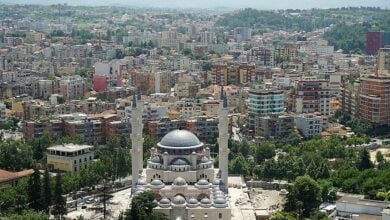
Studies show that Islam entered Albania centuries ago through peaceful preaching, traders, and missionaries, some of whom were descendants of the family of the Holy Prophet (peace be upon him and his pure family). This contributed to the spread of Islam and Shiism among the residents, with Muslims now forming approximately 70% of the total population, while Shiites represent roughly 30% of Muslims, most of them concentrated in the southern regions of the country.
Shiite Albanian communities are known for observing Ashura rituals in traditional ways that reflect a deep connection to the event of Karbala. Participants attend religious gatherings, recite elegies, and many avoid adornment and reduce water consumption during the early days of Muharram in remembrance of the suffering of Imam Hussein (peace be upon him) and his companions.
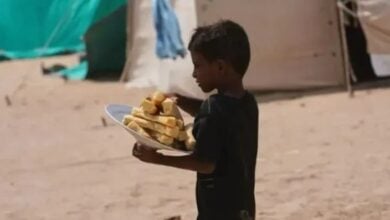
These rituals include organizing religious gatherings in “tekiyyahs” and spiritual centers, where sermons are delivered and the life of the Holy Prophet and his family (peace and blessings be upon them) is recalled, culminating in the commemoration of the Karbala event on the tenth day of Muharram. Food is also distributed to the poor as part of a long-standing social tradition.
Cultural sources note that Shiite literature forms an important part of Albanian literature. Several poets have addressed the events of Karbala in their works, most notably the epic “Karbala” by Naim Frashëri, which is regarded as a masterpiece of Albanian poetry and reflects the prominent place of Imam Hussein (peace be upon him) in the cultural consciousness of the people.
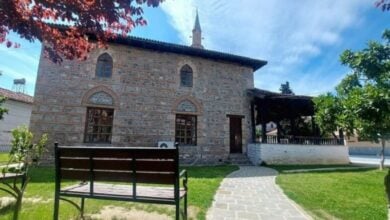
Religious culture in Albania has also been linked to the presence of religious centers affiliated with the Bektashi Order and other Islamic groups that preserved their rituals despite periods of repression during communist rule, when mosques and religious institutions were closed and religious practices were banned for extended periods.
Following the end of communist rule in the 1990s, Albania witnessed a gradual return of religious life. Mosques and Hussainiyas were reopened, and Islamic centers resumed activities such as publishing religious books and translating works related to the Immaculate Family of the Prophet (peace be upon them) into the Albanian language, contributing to strengthening the community’s religious and cultural identity.