
Global Donors Pledge Over $1 Billion for Sudan as UN Warns of Worsening Atrocities
Global Donors Pledge Over $1 Billion for Sudan as UN Warns of Worsening Atrocities
————————————
International donors pledged more than $1 billion in humanitarian aid for Sudan at a high-level conference in Berlin, as United Nations officials warned that the country’s deepening conflict has created one of the world’s worst humanitarian crises.
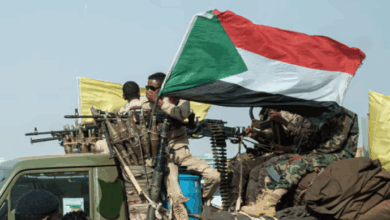
The conference, co-hosted by European Union, African Union and several European governments, brought together foreign ministers to address the escalating situation, now entering its fourth year of war between the Sudanese Armed Forces and the Rapid Support Forces.
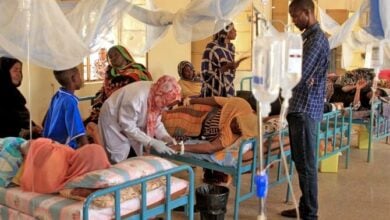
Tom Fletcher, the UN’s humanitarian affairs chief, described Sudan as an “atrocities laboratory,” citing widespread abuses including the siege of cities such as El Fasher in Darfur, the use of sexual violence, and attacks on civilian infrastructure like schools and hospitals. He reported that drone strikes alone have killed around 700 people this year, while more than 130 aid workers have died since the conflict began.
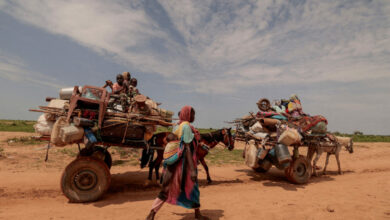
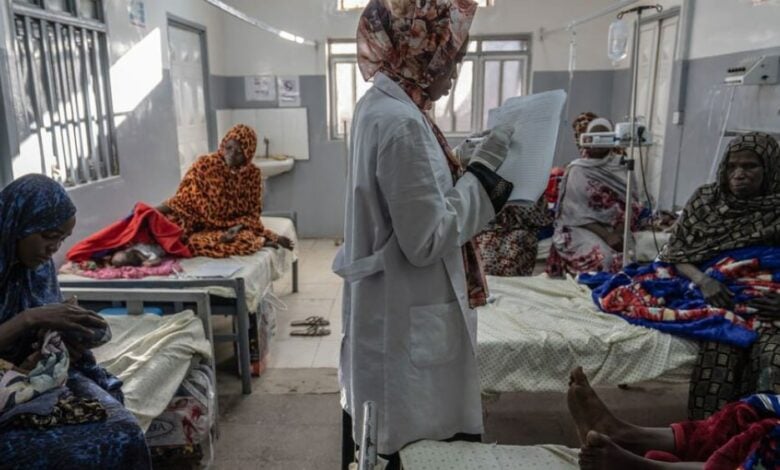
According to the UN, approximately 34 million people—around two-thirds of Sudan’s population—require humanitarian assistance. Nearly 14 million have been displaced, 19 million face acute hunger, and about 10 million children are out of school.
António Guterres called for an immediate ceasefire and stressed that humanitarian funding cannot replace the need for peace, urging an end to foreign interference and arms flows fueling the conflict.
Meanwhile, Volker Türk emphasized the need for accountability, warning that economic exploitation and external support for armed groups are prolonging the violence. He called for stronger enforcement of arms embargoes and potential referral of the situation to the International Criminal Court.
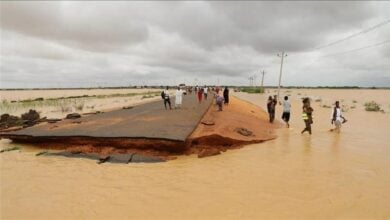
UN officials also highlighted logistical challenges, including rising costs linked to broader regional instability, and stressed the urgency of maintaining humanitarian access routes, particularly into conflict-affected regions such as Darfur.