
International Warnings After Strikes Damage Iran’s Medical and Civilian Infrastructure
International Warnings After Strikes Damage Iran’s Medical and Civilian Infrastructure
—————————————————-
UN Secretary‑General António Guterres and global leaders have condemned attacks on civilian and scientific sites in Iran, emphasizing the importance of protecting non‑military infrastructure and urging an end to hostilities.
United Nations officials on Tuesday reiterated that international humanitarian law prohibits attacks on civilian infrastructure, including energy facilities, power plants and bridges, warning that such strikes risk severe harm to civilians and could violate the laws of war.
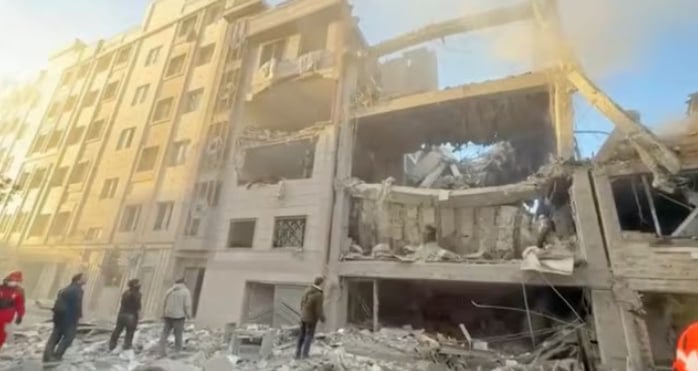
The heightened focus on civilian protection comes as multiple critical sites in Iran have been damaged in recent weeks amid escalating military operations involving U.S., Israeli and Iranian forces. Among those affected is the historic Pasteur Institute of Iran in Tehran — a medical research and public health centre founded in 1920 and known for its role in vaccine production and disease control — which sustained significant damage in airstrikes on April 2. Iranian health authorities and the World Health Organization report that the strike rendered parts of the institute inoperable, disrupting laboratories and facilities crucial to public health efforts.
Iranian officials have also said that about two dozen pharmaceutical and medical production facilities across multiple provinces were damaged in assaults on civilian infrastructure, though they say essential medicine supply has so far been maintained.
The situation has drawn broader international attention. Lawmakers and rights advocates, including U.S. Representative Yassamin Ansari, have condemned attacks on educational and scientific institutions such as Sharif University of Technology, urging that assaults on centres of learning and health not be tolerated.
In Brussels, Antonio Costa issued a statement on April 6 condemning attacks on civilian infrastructure as “illegal and unacceptable.” Speaking on social media, Costa said that escalation would not lead to a ceasefire or peace and reiterated that only negotiated diplomatic efforts can address the root causes of the crisis. He specifically warned that assaults on energy facilities and other non‑military targets primarily hurt civilian populations.
Costa also called on Iran to halt attacks on neighbouring countries and to work toward restoring safe navigation through the Strait of Hormuz, disruptions that have contributed to wider regional tensions.