
Pakistani, Afghan Religious Scholars Call for Extending Ceasefire to Eid al-Adha Amid Escalating Border Clashes
Pakistani, Afghan Religious Scholars Call for Extending Ceasefire to Eid al-Adha Amid Escalating Border Clashes
—————————
Amid weeks of intense fighting between Pakistan and Afghanistan, a group of religious scholars from both countries has called for extending the Eid al-Fitr ceasefire until Eid al-Adha, in order to allow the Hajj pilgrimage to be carried out in a calm and secure environment.
The recent clashes between Pakistan and Afghanistan, which began in late February with airstrikes and border tensions, quickly escalated into a broader confrontation.
According to reports by TRT Persian, tensions intensified following Pakistani attacks on eastern Afghanistan, reportedly aimed at armed groups. These were met with retaliatory responses, leading to exchanges of fire, drone strikes, and widespread border clashes.
As casualties and damage increased, the two countries agreed to a temporary ceasefire ahead of Eid al-Fitr, reportedly mediated by regional actors.
This ceasefire, which came after weeks of heavy fighting, provided a brief opportunity to reduce tensions and address humanitarian conditions.
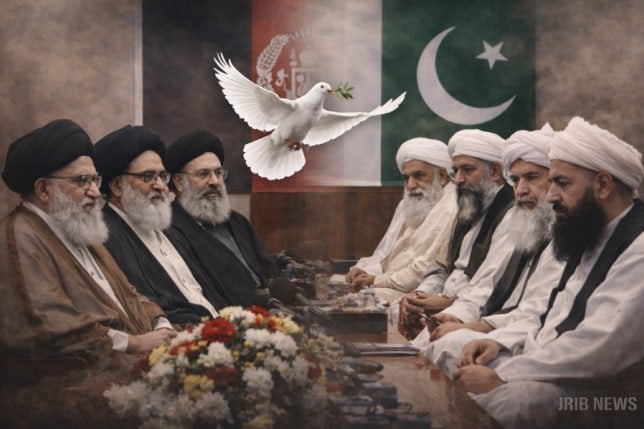
Meanwhile, according to Afghan media reports, a group of religious scholars from Pakistan and Afghanistan issued a joint statement calling for the extension of the ceasefire until Eid al-Adha.
The statement emphasized that maintaining the ceasefire would help ensure that Hajj rituals could be performed in a safe and peaceful atmosphere, while also preventing further humanitarian deterioration.
The scholars also stressed the importance of protecting civilian lives and preventing damage to infrastructure, urging authorities in both countries to use the ceasefire period to initiate serious and sustainable dialogue.
They warned that continued conflict not only threatens regional security but also affects the lives of thousands of families.
Security experts and regional analysts have also cautioned that continued fighting could create opportunities for armed groups to exploit the situation and lead to increased forced displacement.
They argue that the only path out of the crisis lies in direct dialogue, respect for border agreements, and strengthening international monitoring mechanisms to transform the temporary ceasefire into lasting peace.
Experts further noted that while the temporary ceasefire has helped reduce the intensity of clashes, without addressing root causes — including security and border disputes — the risk of renewed tensions remains high.