
Astronomers Identify Possible New Type of Molten Planet
Astronomers Identify Possible New Type of Molten Planet
———————————-
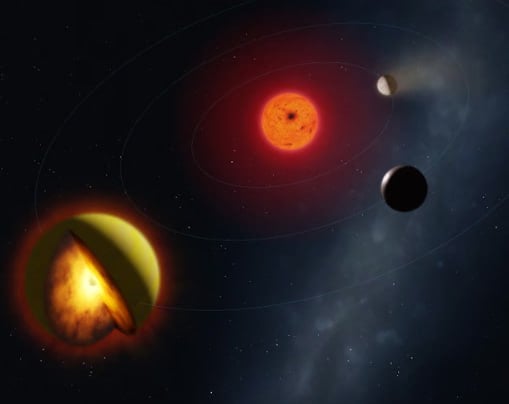
Scientists studying the exoplanet L98-59d, located 35 light-years from Earth, suggest it may represent a previously unknown category of molten planet. About 1.6 times the size of Earth, the planet orbits a small red star and appears to be covered by a global magma ocean with a likely molten core.
Surface temperatures are estimated to reach 1,900°C, with large waves of magma driven by tidal forces from neighboring planets. Its hydrogen sulphide-rich atmosphere produces a characteristic “rotten egg” smell, making conditions hostile to life.
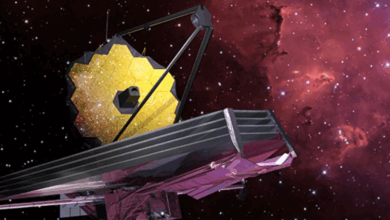
Observations from the James Webb Space Telescope revealed a sulphur-dominated atmosphere inconsistent with traditional rocky or water-world models. Advanced simulations indicate that the planet’s magma ocean efficiently retains these gases, suggesting L98-59d has remained molten for billions of years.
Researchers note that molten planets could be more common than previously thought, challenging assumptions about exoplanet habitability and highlighting the diversity of worlds beyond our solar system.