
Displacement in Lebanon Rises to 700,000 Amid Humanitarian Strain and Shelter Shortages
Displacement in Lebanon Rises to 700,000 Amid Humanitarian Strain and Shelter Shortages
————————————-
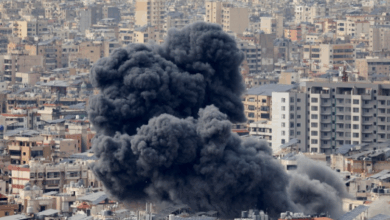
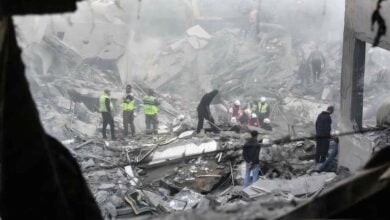
The humanitarian situation in Lebanon is worsening as internal displacement increases following Israeli airstrikes across several parts of the country, forcing hundreds of thousands of families to flee their homes in southern towns and villages in search of safer areas.
Haneen El-Sayed announced on Monday that the number of people displaced from southern Lebanon has reached around 700,000. She noted that many are registered in official shelters, while others remain outside due to limited capacity at available facilities.
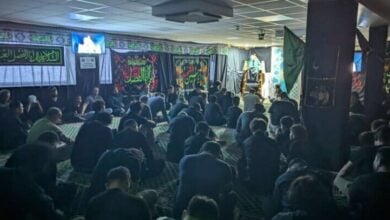
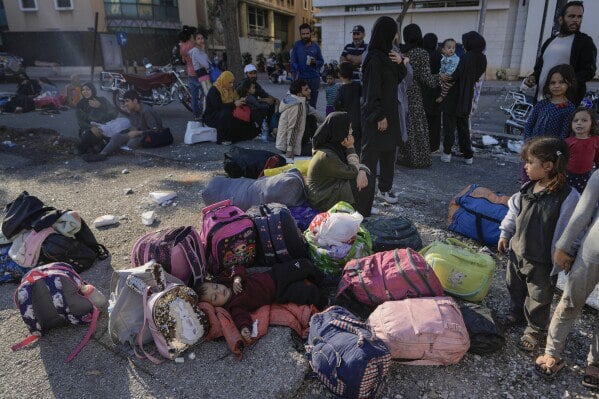
Displaced families are facing difficult living conditions, with many spending their first nights on roadsides or in open areas after schools and designated shelters quickly reached full capacity. Reports indicate shortages of water, food, and essential services in several locations.
One 70-year-old Lebanese woman who fled with her family from Bint Jbeil to the town of Ghaziyeh near Sidon said they were unable to find shelter upon arrival. She explained that schools designated to host displaced families were overcrowded, forcing them to remain outdoors with limited access to food, water, and medication.
Other displaced families reported additional hardships faced by women and girls due to the lack of privacy and inadequate sanitation facilities in displacement sites, further complicating living conditions.
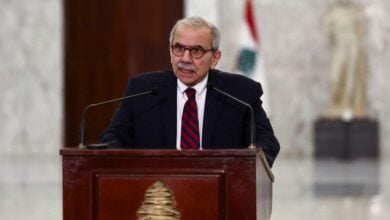
In response, Nawaf Salam called for a faster response to meet the urgent needs of displaced people and ensure the provision of basic services. He also warned against any exploitation or mistreatment of those forced to flee, describing them as victims of circumstances beyond their control.
The mass displacement follows evacuation warnings issued by the Israel Defense Forces to residents in southern Lebanon, urging them to move north of the Litani River amid escalating military operations and rising regional tensions.