
Quebec Secularism Law Expands Ban on Religious Symbols in Schools as Supreme Court Decision Looms
Quebec Secularism Law Expands Ban on Religious Symbols in Schools as Supreme Court Decision Looms
—————————————–
Canada’s province of Quebec is facing growing debate following the implementation of new legislative amendments expanding restrictions on religious symbols in educational institutions, while a key ruling from the Supreme Court of Canada on legal challenges to the measures is still pending.
More details in the following report:
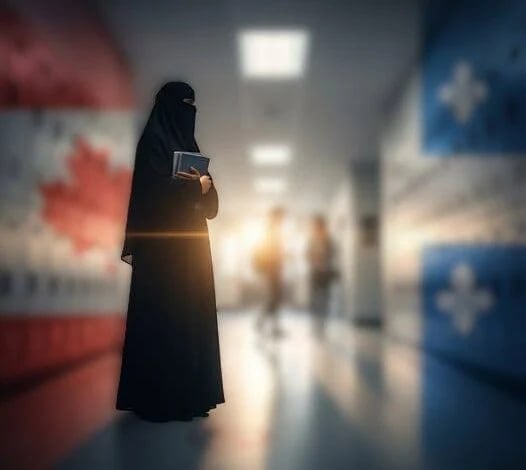
The current framework is based on Bill 21, the province’s secularism law adopted in 2019, which prohibits certain public sector employees—including teachers—from wearing visible religious symbols while performing their duties. Subsequent legislation has broadened the scope of these restrictions. Bill 94, for example, extends the ban to all school employees, prohibits students from wearing face coverings in classrooms, and applies similar rules to volunteers working within educational institutions.
Local reports indicate that the new provisions are already affecting schools in practice. In several cases, volunteers have reportedly been barred from participating in school activities because they wore religious symbols, and administrative measures have been taken against some staff who refused to comply with the law.
Meanwhile, Quebec’s National Assembly is also considering Bill 9, which proposes additional restrictions covering subsidized daycare centers and private schools. The proposed legislation would also limit prayer spaces in some public institutions and regulate religiously themed activities within those facilities.
The Quebec government says the measures are intended to reinforce state neutrality and the separation of religion from public institutions. Officials have also invoked the constitutional “notwithstanding clause” to shield the laws from certain rights-based challenges.
Critics argue that expanding the bans could restrict freedom of religion, affect career prospects for some education workers, and reduce volunteer participation in schools.
The upcoming ruling from the Supreme Court of Canada is expected to play a decisive role in determining the future of these secularism laws and their compatibility with constitutional rights.