
Rights group warns Egypt’s crackdown on online religion discussions violates fundamental freedoms

Rights group warns Egypt’s crackdown on online religion discussions violates fundamental freedoms
—————————————-
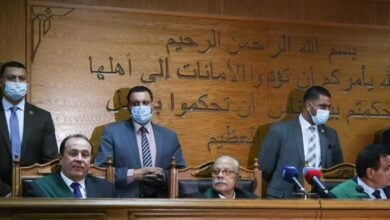
Egyptian authorities must immediately end their crackdown on individuals who discuss religious beliefs online, Amnesty International said on Thursday, warning that prosecutions and arrests under broadly worded laws are violating the rights to freedom of religion and expression.
The statement concludes by urging Egypt to end arbitrary arrests and to ensure that freedom of religion or belief is respected in accordance with international human rights obligations.
It noted that security forces in Egypt have in recent years intensified arrests of individuals accused of offences such as “contempt of religion” or “spreading extremist ideas” on the basis of social media posts, online videos, or even private digital communications discussing faith, atheism, or religious interpretation. Targeted groups include atheists, converts, members of unrecognised religious groups, and Muslims whose views diverge from state-sanctioned interpretations of Islam.
Several cases were documented by Amnesty wherein individuals were detained, interrogated, and prosecuted solely for expressing personal beliefs online, without advocating violence or discrimination. In many instances, charges were brought under provisions of the Penal Code and the Cybercrime Law that criminalise content considered harmful to “public order” or “religious values”. These laws, the organisation stated, are routinely applied to suppress peaceful expression and opinions rather than addressing genuine threats.
Local civil society reporting supports these findings. Egyptian rights advocates have noted that the scope of the security crackdown has expanded beyond recognised religious minorities to encompass non-religious individuals and Ahmadi Muslims accused of holding dissenting theological views and being associated with terrorist organisations. Arrests are frequently accompanied by invasive practices such as online surveillance, searches of personal devices, and prolonged pretrial detention on national security grounds.
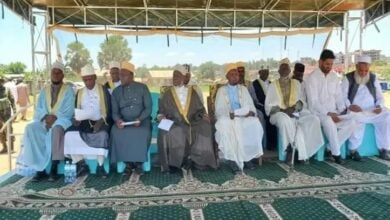
A 2025 report by a European-based human rights organisation detailed repeated arrests and prosecutions affecting religious minorities and individuals accused of unorthodox beliefs, concluding that such practices undermine freedom of religion or belief. It also recorded cases involving members of an unrecognised religious movement who were subjected to police raids and detention for peaceful religious activities.
Broader concerns about religious freedom in Egypt have been raised over the past decade. Previous investigations have documented mass attacks on churches and persistent failures by authorities to adequately protect religious minorities, contributing to a climate of fear, discrimination, and impunity.