

High Seas Biodiversity Treaty Enters into Force After Years of Negotiation
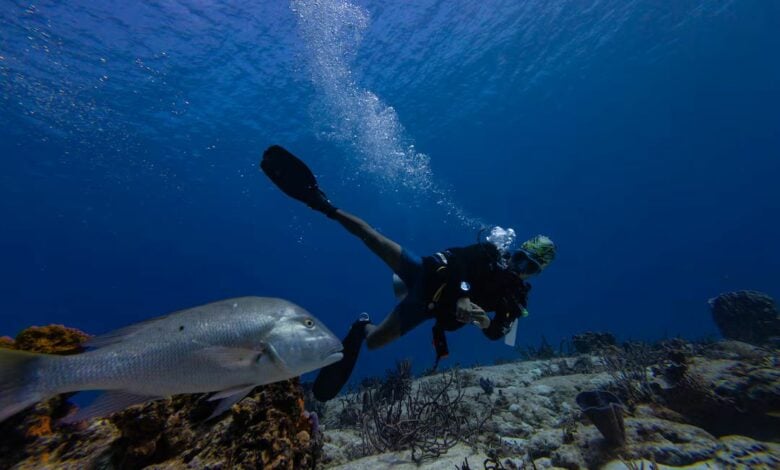
A landmark United Nations treaty aimed at protecting biodiversity in international waters entered into force on Saturday, creating the first legally binding framework to safeguard marine life beyond national jurisdictions, Reuters reported. The agreement seeks to address threats such as overfishing and habitat loss while advancing a global goal to protect 30% of the world’s oceans by 2030.
Known as the Biodiversity Beyond National Jurisdiction (BBNJ) treaty, the pact was finalised in March 2023 after nearly 15 years of negotiations. It enables the establishment of a global network of marine protected areas in the high seas, which cover vast ocean regions previously lacking comprehensive international regulation.
Officials say the treaty marks a significant step in ocean governance. Adam McCarthy, a senior Australian foreign ministry official and co-chair of the treaty’s preparatory committee, said the agreement introduces a comprehensive legal regime for nearly two-thirds of the ocean, representing about half of the Earth’s surface, for the first time.
The treaty entered into force after reaching the required 60 national ratifications in September last year, triggering a 120-day countdown. More than 80 countries have now ratified it, including China, Brazil and Japan, while others such as Britain and Australia are expected to follow. The United States has signed but not yet ratified the agreement.
Under the treaty, countries must assess environmental impacts of activities affecting ocean ecosystems and establish mechanisms to share benefits from marine genetic resources. Environmental groups say extensive action is still needed to meet protection targets, and note that seabed mining remains outside the treaty’s scope, falling instead under the International Seabed Authority.