

Hundreds of Foreign Nationals Executed in Saudi Arabia; Families Detail “Death Wing” Experiences in Tabuk Prison
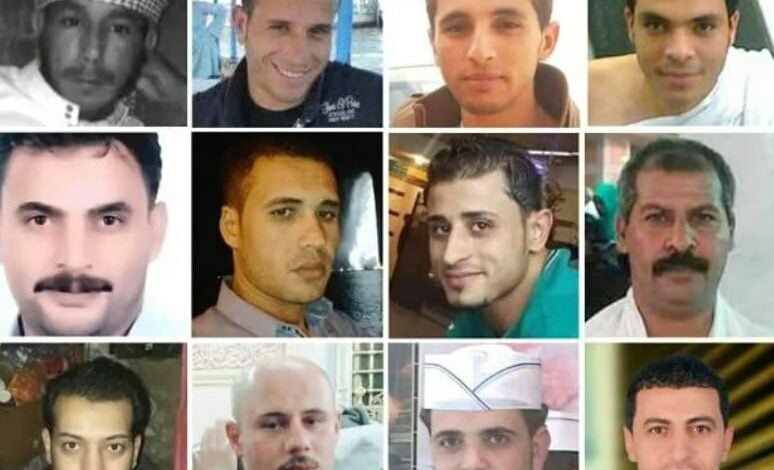
Hundreds of Foreign Nationals Executed in Saudi Arabia; Families Detail “Death Wing” Experiences in Tabuk Prison
———————————-
Investigative reports by The Guardian highlight a disturbing rise in executions of foreign nationals in Saudi Arabia, revealing harrowing accounts from families of inmates held in Tabuk Prison’s so-called “Death Wing.”
According to human rights organization Reprieve, at least 264 foreign nationals have been executed since the beginning of 2024, primarily for non-violent drug-related offenses. Reports indicate that many detainees became entangled in drug networks for minor financial incentives, sometimes only a few hundred dollars.
Families of Egyptian prisoners in Tabuk told The Guardian that inmates faced forced confessions, torture, and a lack of financial means to secure legal representation. Many prisoners were not informed of execution dates, with relatives only learning of deaths posthumously, often without receiving the bodies.
The “Death Wing,” as inmates call the prison section, has caused chronic psychological trauma. Families described scenes in which guards removed individuals for execution, leaving remaining prisoners in constant fear.
While Saudi authorities briefly suspended executions in 2021 as part of claimed judicial reforms, the practice resumed in November 2022 and has reportedly increased. Human rights groups emphasize that these actions predominantly affect poor migrant workers, raising serious concerns about judicial transparency, due process, and the international community’s responsibility to protect vulnerable detainees.
While the Shia community makes up an estimated 10-12% of the Saudi population, they accounted for around 42% (120 of 286) of all “terrorism”-related executions between January 2014 and June 2025. The death penalty is often used as a tool of political repression against the Shia minority, with peaceful dissent and participation in protests often prosecuted as “terrorism”. Charges are often vague, such as “threatening stability” or “treason”. Human rights organizations such as Amnesty International and Human Rights Watch continue to document these abuses and call for an immediate moratorium on all executions in Saudi Arabia.