

UN Warns Global Temperatures Could Rise 2.8°C by End of Century
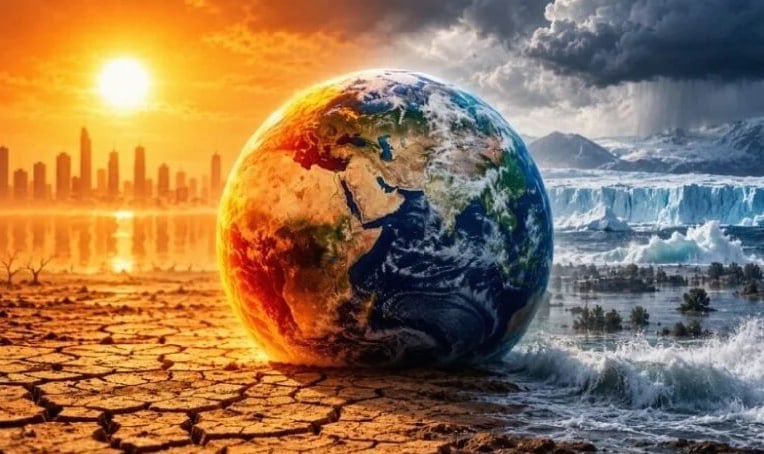
UN Warns Global Temperatures Could Rise 2.8°C by End of Century
————————————
The United Nations Environment Programme (UNEP) has warned that global average temperatures could rise by 2.8 degrees Celsius above pre-industrial levels by the end of the century if current climate policies remain unchanged, increasing the risk of extreme weather events and severe environmental and economic consequences.
According to UNEP’s annual Emissions Gap Report, released on Wednesday, current international efforts remain insufficient to meet the goals of the Paris Agreement, which seeks to limit global warming to well below 2°C while pursuing efforts to keep the increase to 1.5°C.
The report estimates that fully implementing countries’ current climate commitments could limit global warming to approximately 2.6°C by 2100. If additional pledges to achieve net-zero emissions are also fulfilled, the projected temperature rise could fall to around 2.1°C.
However, these projections remain above the targets established under the Paris Agreement, highlighting the gap between existing commitments and the emissions reductions needed to limit climate change.
UNEP stressed that substantially deeper cuts in greenhouse gas emissions are required to reduce the scale of future warming.
The report states that global greenhouse gas emissions would need to decline by 18% by 2030, 45% by 2035, and 69% by 2040, compared with 2025 levels, to curb the escalation of global warming.
Current national climate plans, however, are expected to deliver only a limited share of these reductions, underscoring the need for stronger policies and faster implementation.
The report also outlines a more optimistic scenario in which global warming reaches approximately 1.7°C to 1.8°C by mid-century before potentially falling to 1.5°C or lower by 2100. Achieving this outcome would require substantial and sustained emissions cuts, alongside the expansion of technologies capable of removing carbon dioxide from the atmosphere.
UN Secretary-General António Guterres emphasized that exceeding the 1.5°C threshold would not mean abandoning efforts to combat climate change.
He stressed the importance of limiting both the magnitude and duration of any temperature overshoot and working to bring global temperatures back toward the agreed target.
The warning comes amid growing concerns about the consequences of rising temperatures for communities, economies, and ecosystems worldwide.
UNEP cautioned that continued global warming would increase the likelihood of severe heatwaves, floods, and wildfires. Rising temperatures could also place additional pressure on food security, water resources, and natural ecosystems.
These effects threaten to intensify existing environmental and economic challenges, particularly in regions vulnerable to extreme weather and resource shortages.
Despite the warnings, the report notes that the expansion of renewable energy and the introduction of climate policies have helped reduce emissions in several countries and economic sectors.
UNEP maintains that accelerating these efforts could still significantly limit the extent of global warming in the coming decades, provided governments strengthen their commitments and translate them into effective action.