
UN Warns Hunger Could Worsen in 16 Countries as Middle East War Drives Up Fuel Costs
UN Warns Hunger Could Worsen in 16 Countries as Middle East War Drives Up Fuel Costs
—————————————————-
The United Nations has warned that food insecurity is expected to deteriorate in 16 countries over the next six months, with Sudan, Yemen, South Sudan, Somalia and northern Nigeria facing the highest risks.
A joint report by the Food and Agriculture Organization (FAO) and the World Food Programme (WFP) identifies armed conflicts, rising fuel costs linked to the Middle East war and declining humanitarian assistance as major factors worsening the crisis.
According to the report, covering December 2026 through May 2027, the five countries at the highest level of concern have repeatedly appeared on the UN’s hunger hotspot list since 2022. Meanwhile, the Palestinian territories have been moved down one risk category following the October 2025 Gaza ceasefire, although approximately 67% of Gaza’s population continues to face crisis-level hunger or worse, with improvements remaining fragile.
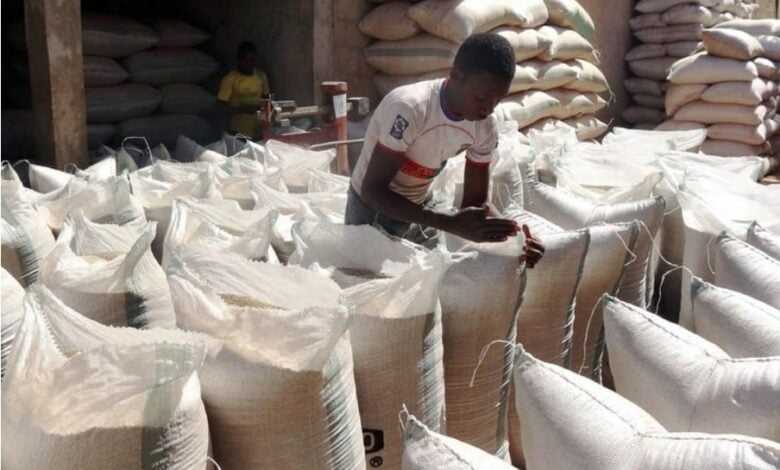
In Sudan, the report warned that famine risks could persist through January in 13 areas across North Darfur and South Kordofan. Nearly 19.5 million people, representing 41% of the country’s population, were experiencing crisis-level hunger or worse. Acute malnutrition in two displacement camps in South Darfur had also exceeded famine thresholds. Food prices have surged, with sorghum prices more than doubling over the past year amid continued fighting and rising diesel costs.
The situation in Yemen is also deteriorating as renewed fighting since July has expanded across several fronts. More than 300,000 people have been displaced, primarily in Taiz, Lahj and Aden provinces. In government-controlled areas, 1.8 million people are facing emergency levels of hunger, compared with 1.6 million in the previous assessment. The report also highlighted difficulties in delivering humanitarian assistance to areas controlled by the Houthi movement.
The UN agencies further warned that disruptions to shipping routes in the Strait of Hormuz, the Red Sea and the Black Sea are threatening food and fuel supplies, particularly in countries heavily dependent on imports. Fertilizer shipments from the Gulf have also been largely halted, raising additional concerns about agricultural production.
Humanitarian funding shortages are compounding the crisis. Food and nutrition assistance to the five countries facing the highest levels of concern declined by approximately 62% between 2022 and 2025, with Yemen experiencing a 79% reduction.