

UN Event Highlights Growing Threats Facing Women Journalists in Conflict Zones
UN Event Highlights Growing Threats Facing Women Journalists in Conflict Zones
——————————-
Women journalists face escalating physical, legal and digital threats that undermine their ability to report from conflict zones and contribute to peacebuilding, speakers warned at a United Nations event marking Women, Peace and Security Week.
More details in the following report:
The discussion, organized by Greece’s Permanent Mission to the UN, UN Women and UNESCO, called for concrete measures to protect women media workers. Nobel Peace Prize laureate Maria Ressa warned that forcing women journalists out of conflict areas deprives peace processes of vital witnesses and urged governments to strengthen accountability, support women-led journalism and ensure women journalists are included in peace and security discussions.
Speakers highlighted the growing role of artificial intelligence in online abuse, including deepfake images, cloned voices and coordinated harassment campaigns. UN Women data indicate that nearly one in four women human rights defenders, activists and journalists surveyed had experienced AI-enabled abuse. A separate UN Women and UNESCO study found that 75 percent of surveyed women journalists had faced online violence, while 42 percent linked such attacks to abuse or assault offline.
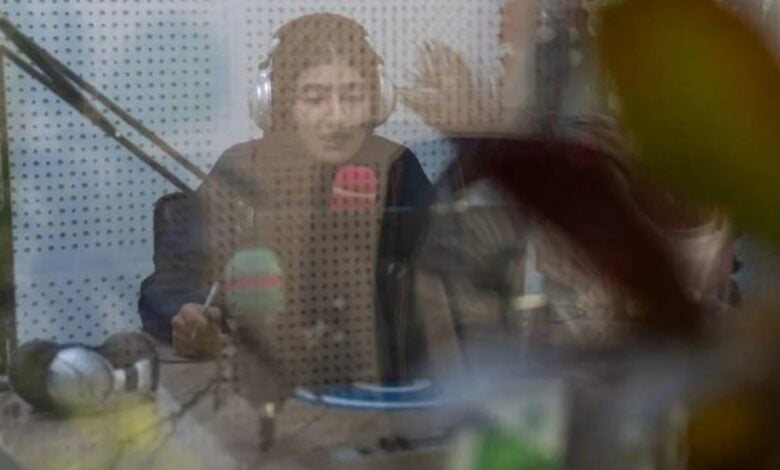
The challenges are particularly severe in Afghanistan, where journalist and media entrepreneur Hamida Aman said the number of women journalists had fallen from approximately 2,800 before the Taliban takeover to fewer than 700. She described growing restrictions on women-led media, including threats, temporary closures and the detention of colleagues. Aman stressed that protecting women journalists is essential to ensuring Afghan women retain access to information and opportunities to share their experiences.
UN Women Deputy Executive Director Nyaradzai Gumbonzvanda said silencing women journalists also silences the communities whose stories they report. Speakers emphasized that women in conflict-affected societies are not only victims of war but also play important roles in preventing violence, mediating disputes and rebuilding communities.
Despite the expansion of conflict reporting, women’s experiences remain underrepresented. Figures presented at the event indicated that only 5 percent of published conflict-related articles focused on women’s experiences of war between 2013 and 2023, while just 0.04 percent referred to women leaders in peace processes.
As UNESCO prepares to launch its campaign “Threats Evolve, Impunity Endures” ahead of the International Day to End Impunity for Crimes against Journalists on November 2, participants stressed that existing international commitments must be translated into practical protection for women media workers.