
Grand Ayatollah Shirazi: Visiting Imam Hussein, peace be upon him, remains permissible even with possibility of danger to life
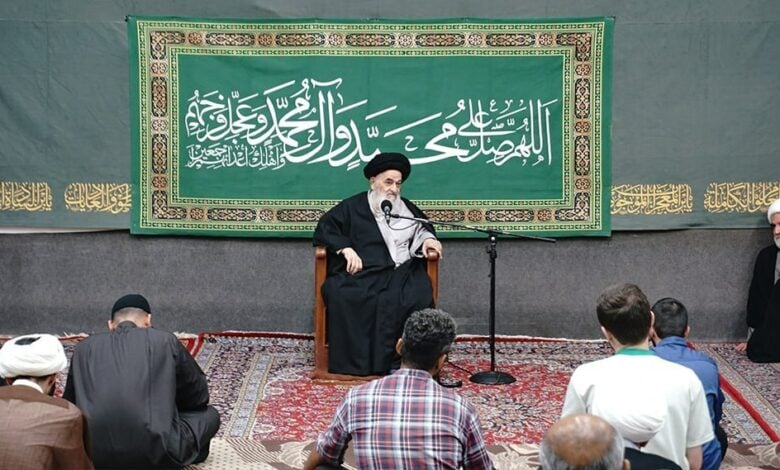
Grand Ayatollah Shirazi: Visiting Imam Hussein, peace be upon him, remains permissible even with possibility of danger to life
——————————————-
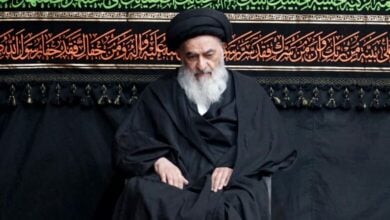
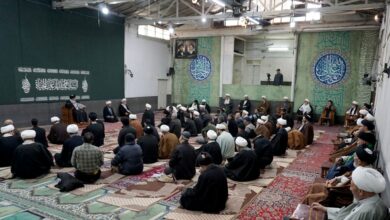
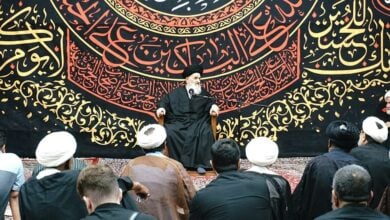
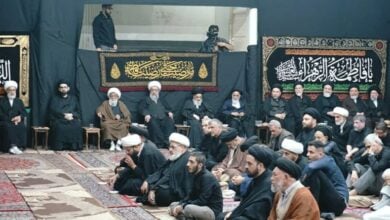
Grand Ayatollah Sayyid Sadiq al-Husseini al-Shirazi addressed various jurisprudential questions during his daily scholarly session, including the ruling on visiting Imam Hussein, peace be upon him, in circumstances where there is a possibility of danger to one’s life.
The session was held on Tuesday, 24 Rabi al-Thani 1448 AH, during which the Supreme Marja responded to questions from attendees on a range of religious and legal matters.
Discussing the jurisprudential aspects of visiting Imam Hussein, peace be upon him, in comparison with the obligation of Hajj, Grand Ayatollah Shirazi examined whether such a visit remains permissible even when there is a risk of harm or death.
Citing the commentary of the late Allama Amini on the book Kamil al-Ziyarat, he referred to the reported phrase: “If it is said: even if he is killed? He replied: Yes.” He stated that approximately twenty narrations have been transmitted on this matter, indicating that the visitation of Imam Hussein, peace be upon him, has specific rulings and a special status in Islamic jurisprudence.
Grand Ayatollah Shirazi explained that the ruling differs from that of Hajj. He stated that in the case of Hajj, when there is a serious threat to life, the Quranic verse, “Do not throw yourselves into destruction with your own hands,” applies, leading to the prohibition of undertaking the journey under such circumstances.
However, regarding the visitation of Imam Hussein, peace be upon him, he stated that no prohibition has been reported even when there is a possibility of danger, emphasizing the special significance of this act of devotion.
He further noted that a number of jurists have also not prohibited visiting Imam Hussein, peace be upon him, despite the presence of life-threatening risks, citing numerous narrations that affirm the permissibility and importance of the visitation even under difficult and dangerous conditions.