
WHO Warns of Health Risks Linked to El Niño, Urges Early Preparedness
WHO Warns of Health Risks Linked to El Niño, Urges Early Preparedness
————————————
The World Health Organization (WHO) has warned of increasing health risks associated with the El Niño climate phenomenon during the 2026–2027 season, calling on countries to strengthen preparedness measures and take early action to protect communities and health systems from potential climate-related impacts.
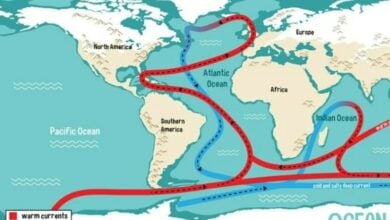
The United Nations health agency said El Niño is a natural climate pattern that can alter weather conditions across large regions of the world, increasing the likelihood of extreme events such as heatwaves, droughts, floods, wildfires, and severe storms, all of which can have direct and indirect consequences for human health.
WHO identified several potential health threats linked to El Niño, including heat-related illnesses, worsening air quality due to wildfire smoke, disruptions to food and water supplies, malnutrition, and increased risks of waterborne and vector-borne diseases.
The organization highlighted that changes in temperature, rainfall, and humidity can affect mosquito populations and alter the spread of diseases such as malaria and dengue fever. Flooding and drought conditions may also increase the risk of water-related diseases, including cholera.
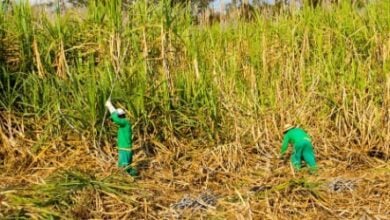
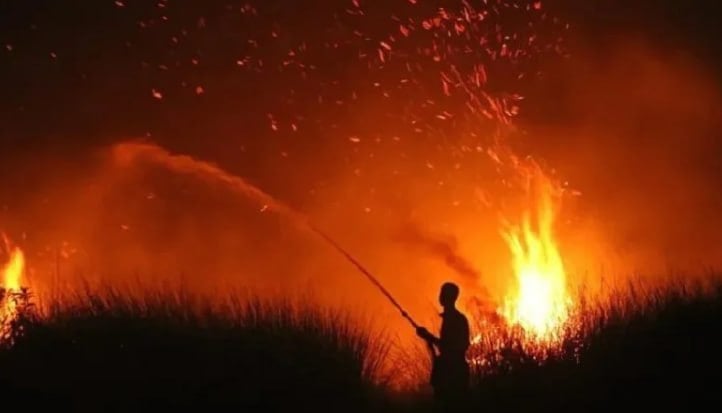
WHO also warned that droughts could reduce agricultural production, limit access to clean water, and worsen food insecurity, while hot and dry conditions may contribute to wildfires, dust storms, and air pollution, posing additional risks for people with respiratory and cardiovascular conditions.
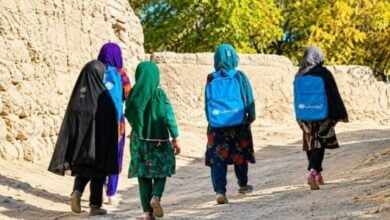
The agency noted that the health impact of El Niño varies between regions depending on the intensity of the phenomenon, local climate conditions, and the preparedness of health systems. Communities already affected by humanitarian crises, displacement, food insecurity, and limited access to water, sanitation, and healthcare are expected to face greater risks.
WHO called on governments to shift from responding to disasters after they occur toward early preparedness by assessing risks, strengthening health system capacity, and ensuring the continuity of essential services during climate-related emergencies.
The organization has developed a global public health analysis on El Niño 2026 to support countries and regions in evaluating risks, planning preventive measures, and prioritizing vulnerable populations.