

Shiites in Saudi Arabia: A Diverse Community with Deep Historical Roots
Shiites in Saudi Arabia: A Diverse Community with Deep Historical Roots
—————————————-
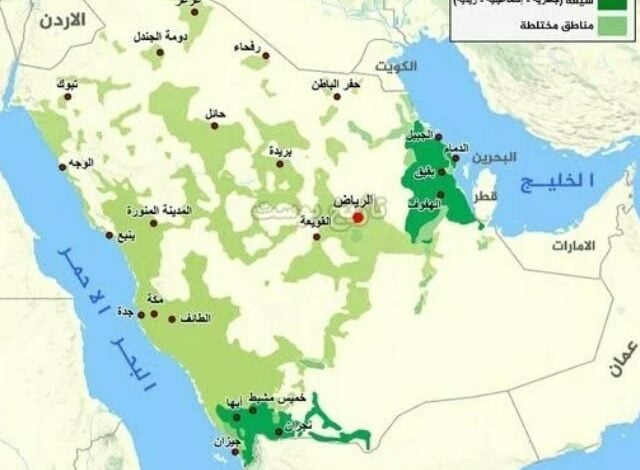
Shiite Muslims have long been part of Saudi Arabia’s religious and social landscape, with communities mainly concentrated in the Eastern Province, particularly Qatif and Al-Ahsa, as well as Najran, Medina, and some southern areas.
Estimates of the Shiite population vary due to the lack of official statistics based on religious affiliation. International sources generally estimate that Shiites make up around 10–15% of Saudi citizens, while some organizations provide higher estimates.
The largest Shiite group in the Kingdom is the Twelver (Ja‘fari) community, with a historic presence in eastern Saudi Arabia and Medina’s Nakhawila community. Najran is home to a significant Ismaili Sulaimani population, while smaller Zaidi communities are reported in southern regions near the Yemeni border.
The diversity of these communities reflects different historical, social and religious backgrounds rather than a single unified group. Qatif, Al-Ahsa, Medina, Najran and southern areas each have their own distinct traditions and identities.
International human rights organizations have also reported longstanding concerns among Shiite citizens regarding discrimination in areas including religious practices, education, employment and legal affairs. Reports by organizations such as Human Rights Watch and the US State Department describe challenges faced by some Shiite communities, particularly in the Eastern Province and Najran.
Overall, international sources describe Saudi Arabia’s Shiite population as a historically established and diverse component of the country’s society, while differing estimates remain regarding its exact size.