
Growing Criticism of Saudi Arabia’s Cultural Transformation, Entertainment Policies
Growing Criticism of Saudi Arabia’s Cultural Transformation, Entertainment Policies
————————————————
A growing number of critics, media activists and members of the public in Saudi Arabia have expressed concern over what they describe as an increasing number of controversial entertainment programs, mixed-gender concerts and festivals that they believe conflict with the country’s Islamic cultural values.
Critics argue that these activities, promoted as part of Saudi Arabia’s new cultural agenda, are deliberately targeting religious beliefs and influencing the lifestyle of younger generations. They also claim that peaceful criticism of these developments has been met with strict measures.
The new cultural policies, largely implemented under the General Entertainment Authority, have generated significant controversy. Events including music concerts, mixed-gender celebrations, women’s wrestling competitions and Halloween-themed programs have been described by opponents as attempts to undermine Islamic and moral values.
The reported legal action and detention of some individuals who have spoken out against these developments have further intensified concerns among critics.
According to the YouTube channel Ithaa Thamanya, Saudi opposition figure Nasser bin Awad Al-Qarni strongly criticized officials responsible for the entertainment sector during an episode of the program Jak Al-Ilm. He argued that such programs were contributing to changes in moral norms and what he described as the spread of moral corruption.
Al-Qarni also referred to the participation of controversial Western figures in Saudi entertainment events and described the detention of critics as evidence of what he considers a harsh approach toward cultural and religious dissent.
Meanwhile, media activists and writers have raised concerns about the influence of some social-media celebrities on younger audiences. A report published by the Saudi newspaper Okaz argued that irresponsible behavior by celebrities and the promotion of lifestyles perceived as inconsistent with religious values could negatively affect the moral standards of the younger generation.
Journalists have consequently called on public figures to recognize their social responsibilities alongside their public influence, particularly in protecting cultural values and avoiding the promotion of behavior they consider harmful to society.
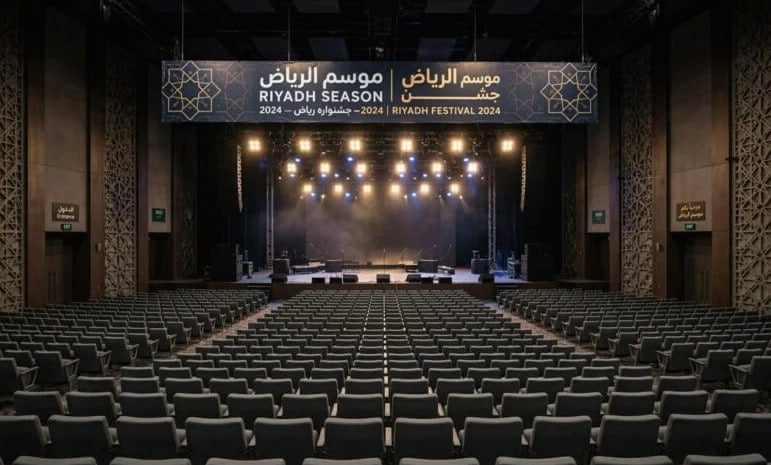
Comedy programs containing controversial material have also generated debate. According to the Five Pillars news website, a comedy festival in Riyadh featured provocative jokes concerning women’s clothing and religious beliefs, prompting strong reactions from members of the public.