
32 Years After Rwandan Genocide, World Reflects on Over 1 Million Killed
32 Years After Rwandan Genocide, World Reflects on Over 1 Million Killed
——————————
April 7 marks the 32nd anniversary of the 1994 Rwandan Genocide, during which more than one million people, predominantly Tutsis, were killed over approximately 100 days.
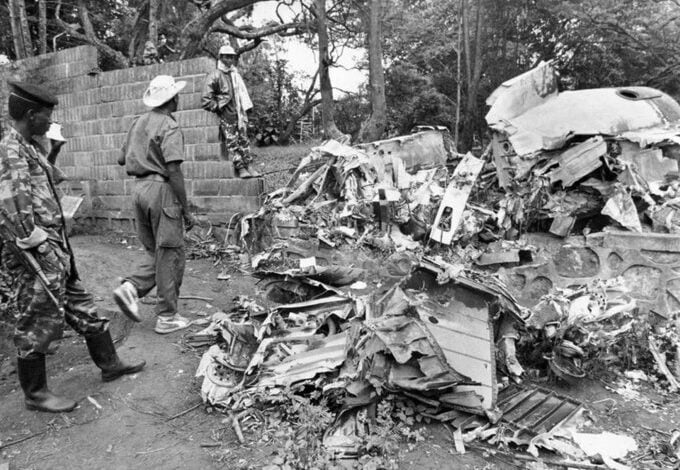
The genocide was triggered on April 6, 1994, when the plane carrying the presidents of Rwanda and Burundi was shot down. In the following hours, systematic killings began, incited by broadcasts from Radio Télévision Libre des Mille Collines. Roadblocks were set up to identify Tutsis, while the presidential guard attacked the capital, Kigali. Moderate Hutu leaders were also targeted, and an estimated 150,000 to 250,000 women suffered sexual violence.
The United Nations peacekeeping mission (UNAMIR) was drastically reduced from over 2,000 troops to just 270, severely limiting its ability to intervene. In June, the French-led Operation Turquoise created safe zones, though it drew criticism for allowing perpetrators to escape. The genocide ended in July 1994 when the Rwandan Patriotic Front seized control of the country.
In the aftermath, international and national judicial mechanisms sought to bring perpetrators to justice. The UN Security Council established the International Criminal Tribunal for Rwanda (ICTR) in November 1994, prosecuting senior military, government, militia, and media figures. The tribunal delivered landmark rulings, including recognizing rape as an act of genocide in the 1998 Akayesu judgment. Rwanda’s national courts and community-based Gacaca courts tried over 1.2 million cases to promote justice and reconciliation.