
Study Warns of Rising Global Shift Toward More Intense Rainstorms
Study Warns of Rising Global Shift Toward More Intense Rainstorms
—————————————
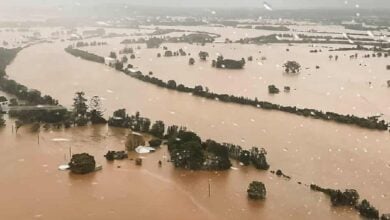
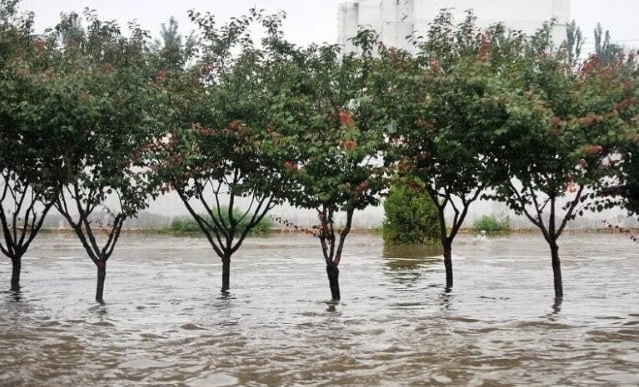
A new study warns that rainfall patterns worldwide are increasingly shifting toward short, intense downpours, raising concerns over flooding, agriculture, and water management systems.
Research published in the journal Water Resources Research shows that a growing share of global precipitation is now falling during heavy rain events rather than steady, moderate rainfall. Scientists say this trend has intensified in recent decades and is expected to accelerate as global temperatures rise.
Researchers, including a team from the University of Michigan, developed a new index to track rainfall intensity by measuring how much annual precipitation falls during the heaviest 5% of rainy days. Their findings indicate a clear increase in extreme rainfall events across multiple regions.
Climate models cited in the study suggest that if global warming exceeds 3°C, the proportion of rainfall occurring during heavy storms could rise significantly, reaching as much as 15–20% of total annual precipitation in some areas.
Experts say this shift could have serious consequences. Moderate rainfall typically allows soil to absorb water gradually, supporting crops and replenishing reservoirs. In contrast, intense downpours can overwhelm drainage systems, increase the risk of flooding, and contribute to longer dry periods between storms.
Regions identified as particularly vulnerable include the Sahel in Africa, Southeast Asia, northern Australia, and the Amazon basin. These areas, many of which rely heavily on rain-fed agriculture, could face declining crop yields and increased economic strain.
The study also warns that low-income countries may be disproportionately affected, as infrastructure limitations and reliance on rainfall make them more vulnerable to extreme weather shifts.