
Humanitarian Crisis Deepens in Afghanistan Amid Conflict, Safety Hazards
Humanitarian Crisis Deepens in Afghanistan Amid Conflict, Safety Hazards
—————————————
Afghanistan is facing a worsening humanitarian crisis, as rising tensions with Pakistan and longstanding war remnants exacerbate civilian suffering, according to multiple reports from international organizations.
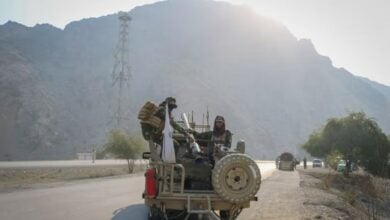
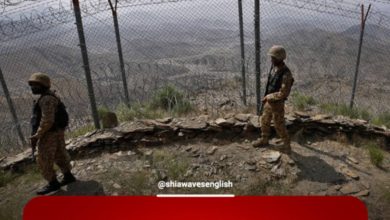
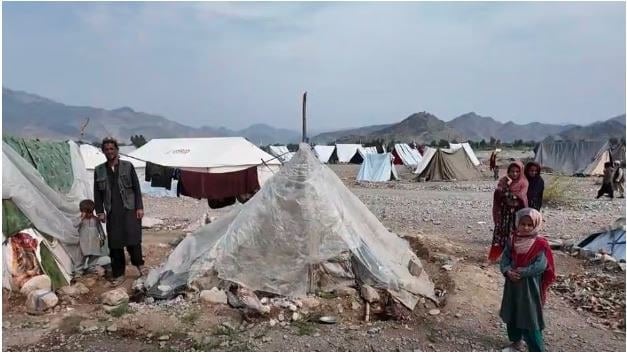
The Norwegian Refugee Council (NRC) has warned that cross-border clashes between Taliban forces and Pakistan have forced thousands of families from their homes. In Nangarhar province alone, over 1,400 people were displaced in the Mahmand Dara district, living in makeshift shelters with limited access to food, water, and healthcare. Taliban authorities report that more than 27,000 families across nine provinces have been affected by the conflict, highlighting the scale of displacement.
Simultaneously, the United Nations Assistance Mission in Afghanistan (UNAMA) has raised alarms over unexploded ordnance, which kills around 50 people monthly, mostly children. Afghanistan ranks among the world’s most mine-contaminated countries, with 217 recorded mine incidents in 2025 alone, causing 467 deaths or injuries. UN experts stress the urgent need for international investment in demining programs to protect civilians.
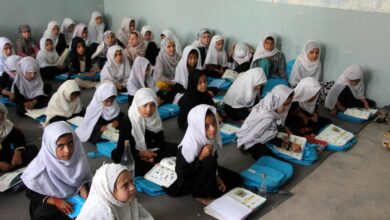
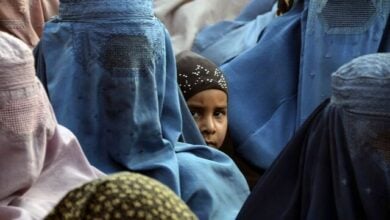
The crisis extends to social well-being. A 2026 global happiness report identified Afghanistan as the world’s least happy country, citing economic hardship, insecurity, and social crises as key factors. Citizens face declining access to health, education, and employment, eroding hope for the future.
In governance, the Taliban has ordered all government agencies to replace foreign terms with Islamic and Afghan terminology, reflecting a broader cultural overhaul. Ministries of Justice, Higher Education, Education, Information, and Culture are tasked with implementing these changes, including the removal of the word “university” from signage.