
Shia Mourners Mark Al-Baqi Anniversary, Condemn Silence and Renew Reconstruction Calls
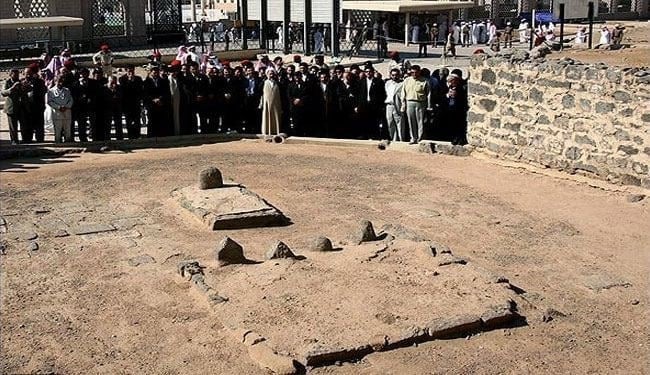
Shia Mourners Mark Al-Baqi Anniversary, Condemn Silence and Renew Reconstruction Calls
—————————————–
Shia Muslims worldwide have condemned what they describe as ongoing international silence over the historic demolition of graves at Jannat al-Baqi in Medina.
Marking the 8th of Shawwal anniversary, religious authorities including Grand Ayatollah Sadiq al-Husseini al-Shirazi reiterated that the case of al-Baqi represents both a religious violation and a broader challenge to preserving Islamic heritage.
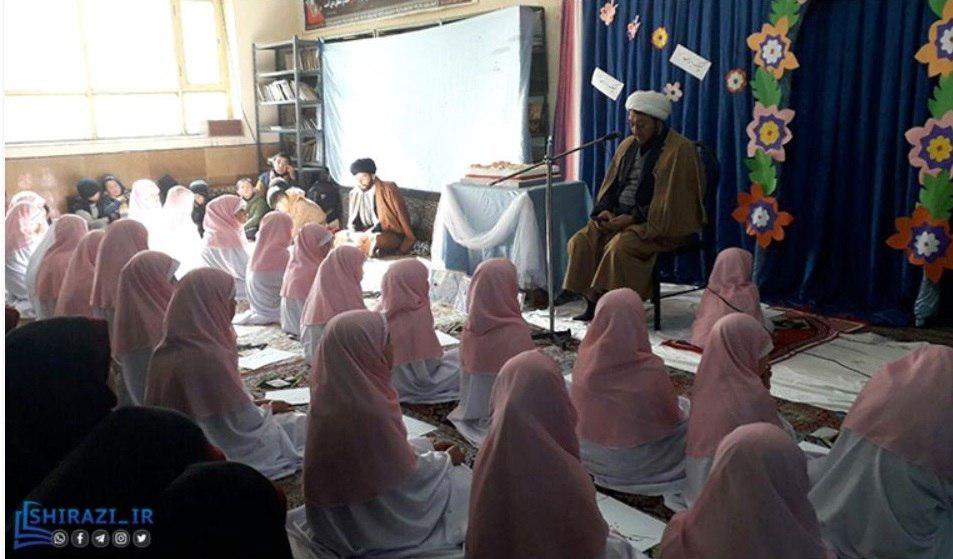
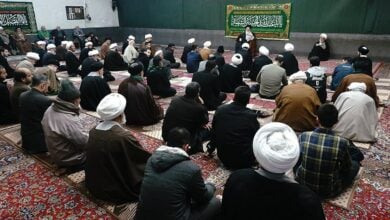
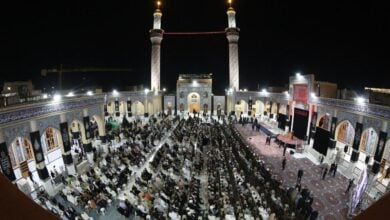
Followers of Ahl al-Bayt (peace be upon them) in Iraq and other countries marked the anniversary of the demolition of Al-Baqi graves by strongly criticizing what they called a “catastrophic international silence” towards the issue. They said more than a century has passed since the destruction of graves belonging to the Imams, the Mothers of the Believers, and companions of the Holy Prophet (peace be upon him and his family), describing it as a “bleeding wound” in the Islamic nation.
Participants warned that continued silence amounts to implicit complicity, stressing that political or economic normalization with Saudi Arabia should not come at the expense of the sanctity of these sites. They called for firm positions from Muslim leaders, reconstruction of the graves, and the formation of international legal committees to pursue the matter.
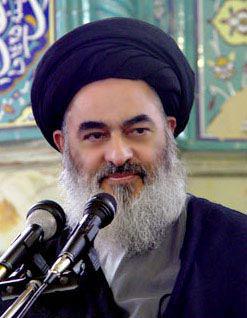
In a statement, Grand Ayatollah Sadiq al-Shirazi described the demolition as a “blatant act of audacity against God,” emphasizing that honoring Ahl al-Bayt (peace be upon them) is a divine command. He said the act strikes at the essence of Islamic belief and called for a global movement to rebuild the graves, framing it as a collective Islamic responsibility rather than a sectarian issue.
During his speech, the enduring legacy of the Late Grand Ayatullah Syed Muhammad al-Husseini al-Shirazi and Ayatullah Syed Hassan al-Shirazi was also highlighted, portraying Al-Baqi as a vital religious and civilizational landmark. He argued that preserving Islamic landmarks (historical traces and relics) is a religious, rational, and humanitarian duty, criticizing the demolition as unjustified and harmful to the Islamic nation’s historical memory.