
Afghanistan Marks National Press Day Amid Rising Media Restrictions, Journalist Violations
Afghanistan Marks National Press Day Amid Rising Media Restrictions, Journalist Violations
———————————-
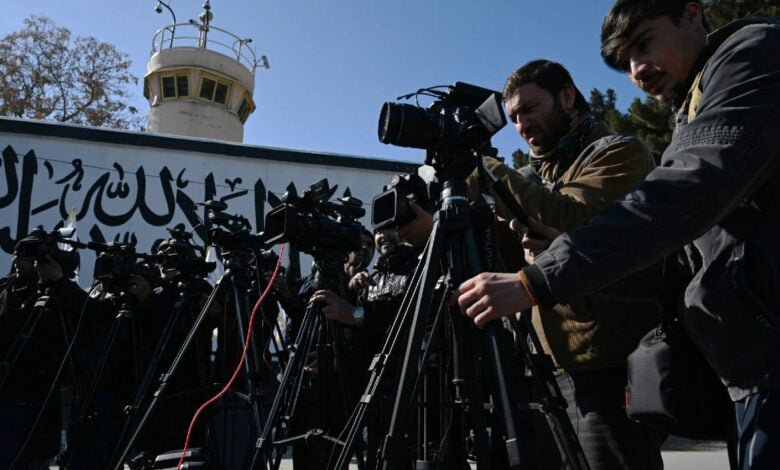
Afghanistan observes its National Press Day this year under a climate of concern, as violations against journalists and media outlets have surged since the Taliban returned to power. The occasion, traditionally a celebration of press freedom, has instead become an opportunity to highlight the difficult realities facing the country’s media sector.
A recent report by the Afghan Journalists Center revealed that incidents of violence and violations against journalists increased by more than 20% over the past year. The center recorded 207 incidents, including the deaths of two journalists, one injury, 183 threats, and 21 arrests. These figures mark a significant rise from the previous year, which saw 172 incidents, reflecting ongoing restrictions on media freedom.
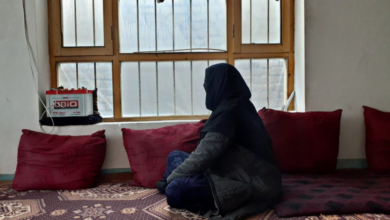
The report noted that authorities have intensified control over media, including imposing restrictions on female journalists and barring them from attending press conferences. Some journalists have been forced to broadcast coerced confessions, indicating a policy of “fear and repression.”
Financial resources for media outlets have also sharply declined due to reduced advertising revenue and diminished international support, forcing many organizations to scale back programs or lay off staff, while some local media operate intermittently.
Authorities are reported to be promoting a unified media narrative through government and semi-official channels while restricting access to information and undermining independent journalism.
The Afghan Journalists Center warned that these policies have severely weakened freedom of expression, pushing some journalists to leave the country and jeopardizing the future of independent media in Afghanistan. The center called on authorities to respect journalists’ fundamental rights and provide a safe environment that allows them to work freely, warning that continued violations could have serious consequences for society and the nation’s future.