
Debate Erupts in Germany After Interior Minister’s Remarks on Religious Symbols
Debate Erupts in Germany After Interior Minister’s Remarks on Religious Symbols
————————————-
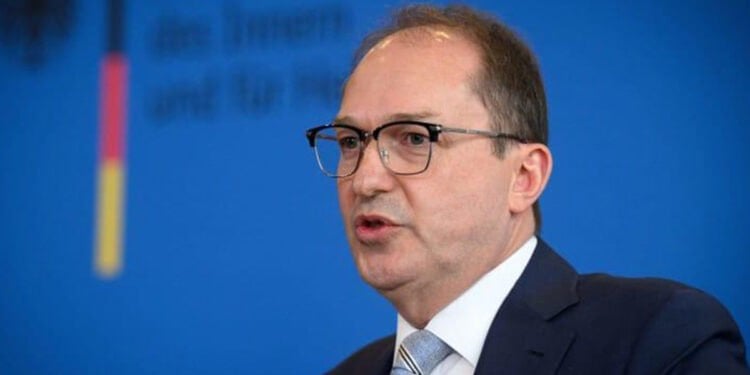
A wave of political and social debate has emerged in Germany following remarks by Interior Minister Alexander Dobrindt regarding possible restrictions on religious symbols in public institutions.
According to statements reported in German media, Dobrindt indicated that the government is considering measures aimed at tightening rules on visible religious expressions in certain public settings. The proposals were presented as part of efforts to safeguard what he described as the country’s “religious neutrality” and cultural identity.
During his remarks, the minister emphasized the importance of protecting the public sphere and German cultural values. He said that while Germany is an open society, openness does not mean abandoning fundamental principles, stressing that those living in the country are expected to respect its constitutional values.
Among the proposals discussed in political circles are potential restrictions on the wearing of visible religious symbols, including the Islamic headscarf, in specific government positions and official institutions such as public administrations, schools, and municipal offices. Supporters argue the measures are intended to maintain religious neutrality within state institutions.
Additional ideas raised in the debate include increased oversight of organizations suspected of promoting what authorities describe as “political Islam,” as well as the introduction of stronger cultural integration programs for foreign residents. These could involve expanded requirements related to language proficiency, knowledge of German history, and understanding of constitutional values.
The remarks have drawn mixed reactions across Germany. Some supporters view the proposals as necessary to protect secular governance and encourage social integration. However, representatives of Muslim communities and several human rights organizations have expressed concern that such measures could restrict religious freedoms guaranteed under the German constitution and risk increasing feelings of discrimination.
The controversy comes amid a broader European debate over integration, identity, and religious neutrality in public life, issues that have been widely discussed across several countries in recent years.