
UN Agencies Warn of Rising Child Drownings in Mediterranean, Urge Stronger Rescue Efforts
UN Agencies Warn of Rising Child Drownings in Mediterranean, Urge Stronger Rescue Efforts
——————————————–
Several United Nations agencies have renewed warnings over continued deaths in the Mediterranean Sea, particularly among children, marking the third anniversary of the February 2023 migrant shipwreck off southern Italy.
More details in the following report:
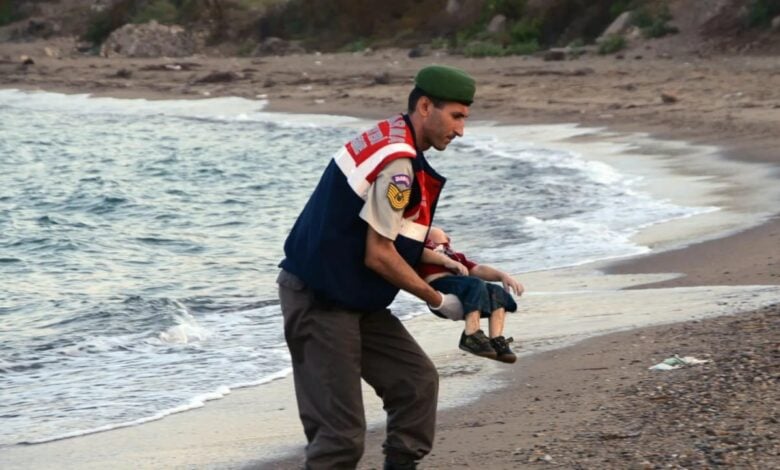
Save the Children, alongside the UN High Commissioner for Refugees (UNHCR) and the International Organization for Migration (IOM), said that since the “Steccato di Cutro” disaster — which claimed 94 lives, including women and children, near the coast of Calabria — more than 300 minors have died in the Mediterranean. The organization described this figure as a conservative estimate, averaging nearly 100 child deaths per year.
According to agency data, more than 34,000 people have died or gone missing in the Mediterranean since 2014, including around 3,000 since the Cutro tragedy. Save the Children noted that many shipwrecks occur far offshore and receive limited attention, while bodies continue to be recovered along southern Italian beaches. The group warned that deterrence-focused migration policies often take precedence over life-saving priorities.
UNHCR and IOM called for coordinated European action to strengthen search and rescue operations, ensure prompt disembarkation at safe ports, and expand legal migration pathways to reduce risks faced by migrants.
The agencies also reported recent incidents, including bodies recovered on Italian shores and a shipwreck off Tobruk, Libya, that left dozens dead. IOM stated that at least 547 migrants have died on Mediterranean routes since the start of 2026 across central, western, and eastern corridors.
UN officials emphasized that saving lives at sea is a legal obligation and called for reinforced rescue systems alongside efforts to combat smuggling networks and promote shared responsibility among countries of origin, transit, and destination.