
Controversies Over Ramadan Meal Arrangements Highlight Challenges for Religious Accommodation in India
Controversies Over Ramadan Meal Arrangements Highlight Challenges for Religious Accommodation in India
————————————-
Two separate incidents in northern and western India have drawn attention to the challenges of providing adequate religious accommodations for Muslims during Ramadan, raising concerns about inclusivity in educational and correctional institutions.
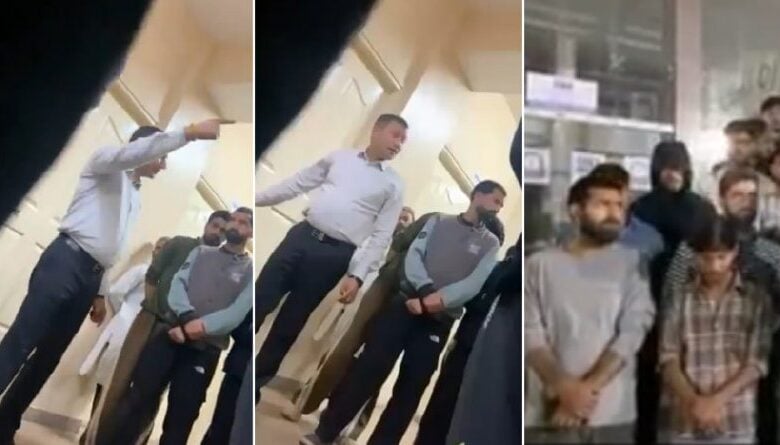
At CT University in Ludhiana, Punjab, Kashmiri Muslim students alleged harassment and threats of eviction after requesting proper Sehri (pre-dawn meal) and Iftar (breaking of fast) arrangements during Ramadan. Students claimed mess facilities failed to provide food at required times and accused the Vice-Chancellor of issuing abusive threats of admission cancellation. A widely circulated video showed the VC allegedly saying, “I am going to remove everyone here. Your admission is cancelled.” Following protests, social media outrage, and political appeals—including from the Jammu and Kashmir Students Association (JKSA)—the university terminated the Vice-Chancellor and assured a thorough inquiry. Authorities also mediated to restore safety and ensure that students’ religious practices would be respected.
Meanwhile, in Rajasthan, the state prison administration issued a new order restricting all Sehri and Iftar food for Muslim inmates to authorized prison stores. Donations from community organizations can no longer be delivered directly. Officials cited security, safety, and food quality as reasons for the directive. Muslim groups have expressed concern that the new system may compromise nutritional adequacy and variety, essential for fasting prisoners who may endure 13–15 hours without food. Community representatives stressed that traditional Iftar packets not only provide nourishment but also maintain a sense of inclusion and community support.
The incidents come with precedence in previous years. In 2025, the Indian Institute of Technology (IIT) Bombay faced public debate after internal discussions over Sehri arrangements in the hostel sparked criticism about religious inclusivity, though the administration clarified the arrangements were student‑led and not official policy.
These cases highlight the broader pattern of widespread discriminations and restrictions imposed on religious practice and comfort of Muslims in India.