
Pakistani Airstrikes in Eastern Afghanistan Kill Dozens; Kabul and Islamabad Trade Accusations
Pakistani Airstrikes in Eastern Afghanistan Kill Dozens; Kabul and Islamabad Trade Accusations
——————————–
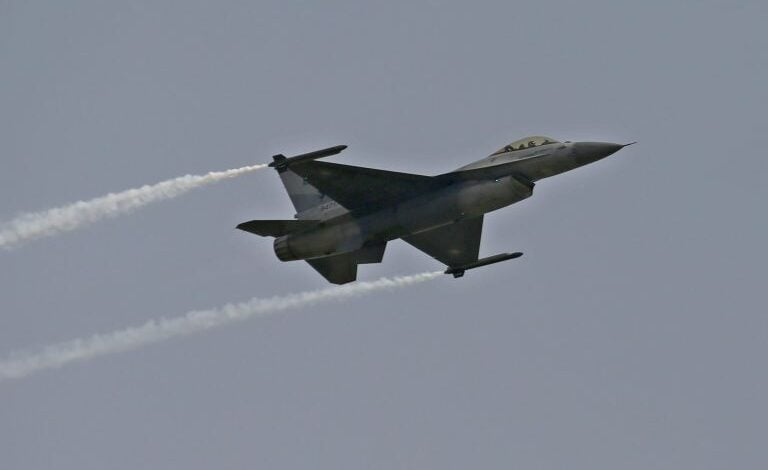
Dozens of people have been killed and wounded after Pakistani forces conducted a series of overnight airstrikes in eastern Afghanistan, triggering a sharp escalation in border tensions between Pakistan and Afghanistan.
Afghan authorities and local sources reported that airstrikes on Sunday struck several districts in Nangarhar and Paktika provinces, including residential areas and a religious school. Taliban officials said the strikes killed civilians, including women and children, with casualty estimates ranging from at least 17 to more than 20 dead. Taliban spokesman Quraishi Badloon said 17 civilians, including 11 children, were killed in Nangarhar alone, and several others were wounded.
In response, Afghanistan’s Ministry of Defense condemned the strikes as a violation of national sovereignty, international law, and “neighborly principles,” and warned of a “calculated and proportionate” response at a suitable time. Kabul’s foreign ministry also summoned Pakistan’s envoy to protest the attacks, calling them a “provocative act.”
Pakistan’s government defended the airstrikes as part of “intelligence-based” operations targeting camps and hideouts of fighters linked to the Tehrik-i-Taliban Pakistan (TTP) and Islamic State – Khorasan Province (ISKP) along the border. Islamabad said the strikes were a “retributive response” to recent militant attacks inside Pakistan, including suicide bombings and assaults on security personnel, which Islamabad alleges were planned and staged from Afghan territory.
The recent airstrikes represent one of the deadliest cross-border escalations since previous clashes and ceasefire efforts between the two neighbors. Relations between Afghanistan and Pakistan have been tense for months, with mutual accusations over armed groups operating from each other’s territory contributing to repeated border violence and diplomatic friction.