

Experts Warn of AI Risks in Classrooms as Technology Moving to Dominate Education
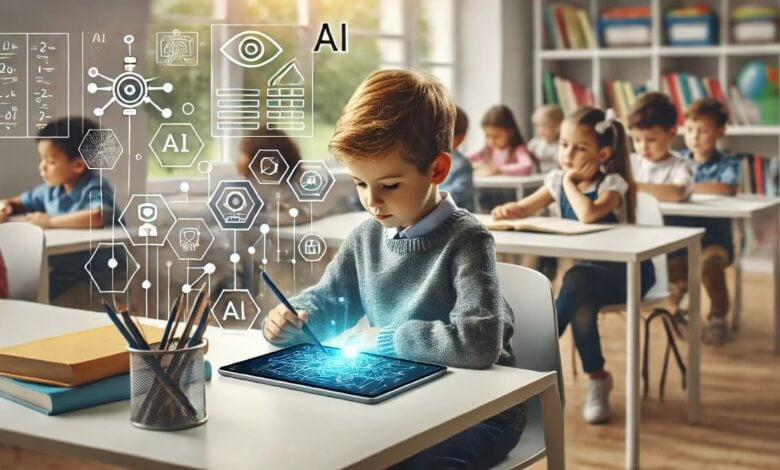
Experts Warn of AI Risks in Classrooms as Technology Moving to Dominate Education
——————————
As artificial intelligence tools like ChatGPT, Google’s Gemini and Microsoft’s Copilot spread through classrooms worldwide, educators warn that the rush to adopt AI may be creating as many problems as it solves, a feature article by Anadolu Agency discussed.
Proponents argue AI can personalize learning, reduce teacher workload and prepare students for an AI-driven economy, but mounting evidence suggests serious concerns about student focus, critical thinking and educational equity.
Recent research from the Center for Universal Education at the Brookings Institution cautions that AI’s risks in schools may outweigh its benefits, particularly if unregulated use undermines deep learning and social development. The Organisation for Economic Co-operation and Development has similarly warned that uncritical adoption of AI can weaken students’ problem-solving skills and learning agency.
Some districts are responding with cautious policy. Frankfort-Elberta Area Schools introduced an AI policy focused on literacy, ethical use and responsible integration, rather than outright bans. In India, Prime Minister Narendra Modi urged students to use AI for guidance—not dependency—stressing that discipline and independent thinking remain essential. Meanwhile in New York City, public schools are developing new regulations to balance innovation and oversight.
Critics echo concerns that without clear guidance, AI may exacerbate inequalities and erode foundational skills such as reading comprehension and critical thinking. Educators increasingly call for professional training, robust policy frameworks and a human-centered approach that uses AI to support—not replace—deep student learning.