
Concerns Grow Over Systematic Removal of Shiite Academics from Afghan Universities
Concerns Grow Over Systematic Removal of Shiite Academics from Afghan Universities
———————————-
Growing concern has emerged over what observers describe as the systematic sidelining of university professors in Afghanistan, particularly Shiite academics, amid continued restructuring of higher education under Taliban rule.
In recent months, multiple reports from Afghan media outlets and academic sources have documented the dismissal of university lecturers across several provinces, raising alarm over the future of higher education, academic standards, and religious equality. Analysts say the trend reflects a shift away from merit-based academic evaluation toward ideological and political considerations.
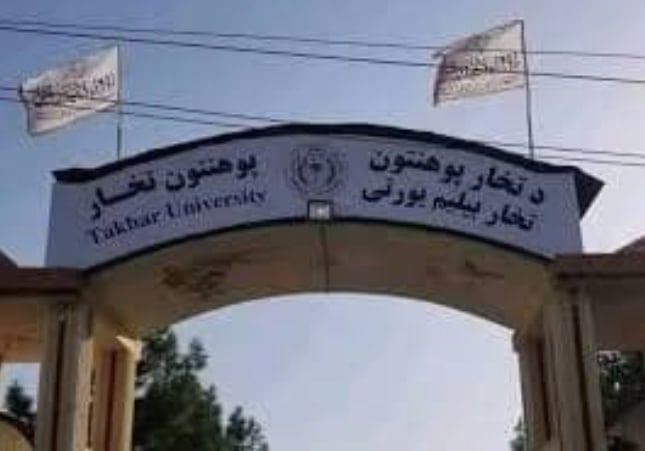
According to Tolo News, one of the most recent cases involves a university lecturer in Takhar province who disclosed on social media that he and several colleagues were removed from their posts by the Taliban-run Ministry of Higher Education. The lecturer stated that scientific qualifications and teaching experience no longer determine academic retention, and that compliance with Taliban directives has become the primary criterion.
Similar reports have previously surfaced from provinces including Kabul, Balkh, Bamyan, Daikundi, and Takhar, where dozens of professors — many of them Shiite — were reportedly dismissed or prevented from continuing their academic duties. In several cases, sources cited religious affiliation or lack of alignment with prevailing policies as contributing factors.
Alongside staff removals, reports have also highlighted increasing pressure on the use of the Persian (Dari) language within higher education institutions. These measures reportedly include the removal of Persian-language signage, restrictions on its academic use, and broader efforts to reshape university environments. Critics warn that such steps risk marginalizing a major linguistic and cultural component of Afghanistan’s academic tradition.
Further concern has been raised over academic credentialing practices, with reports suggesting that some individuals have been granted degrees or teaching roles without completing standard academic requirements, contributing to fears of declining educational quality and institutional credibility.
Education experts caution that the continued exclusion of experienced scholars — particularly independent academics and members of religious minorities — could undermine universities as centers of knowledge production and research. They warn that Afghanistan’s higher education system may face a long-term crisis, affecting not only academic freedom but also the country’s future human capital.
The developments come amid broader international concern over educational governance and minority rights in Afghanistan, as calls continue for transparency, non-discrimination, and the protection of academic integrity.