

UN Marks World Interfaith Harmony Week with Calls for Dialogue, Peaceful Coexistence
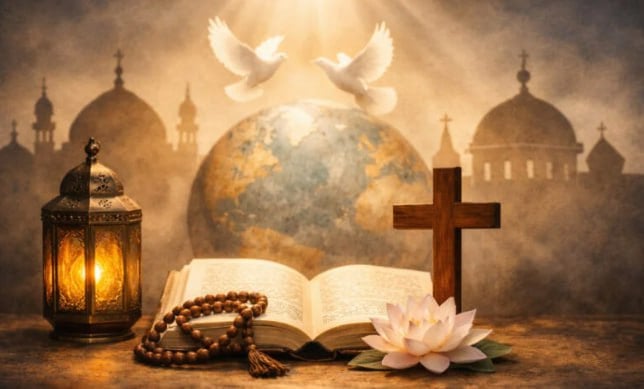
UN Marks World Interfaith Harmony Week with Calls for Dialogue, Peaceful Coexistence
———————————–
The United Nations is observing World Interfaith Harmony Week, marked annually from 1 to 7 February, as an international occasion to promote interreligious dialogue, peaceful coexistence, and the rejection of religiously motivated violence.
The week was formally established in 2010 following a proposal by Jordan, which was adopted through a resolution of the UN General Assembly. Since then, it has been recognized as a global platform aimed at reducing religious tensions and strengthening mutual understanding among followers of different faiths.
According to the United Nations, World Interfaith Harmony Week seeks to highlight the constructive role religions can play in advancing peace, social justice, and human dignity, while encouraging respect for diversity and shared ethical values. A central focus of the initiative is countering the misuse of religious beliefs to justify extremism and violence.
The concept of “interfaith harmony,” as reflected in UN documents, refers to coexistence based on balance, dialogue, and cooperation, allowing religious differences to exist without conflict. While the term originates from the idea of musical harmony, it is used in social and religious contexts to describe peaceful interaction and mutual respect among communities with different beliefs.
Regional media reports indicate that the week is being marked in some countries through a range of activities, including interfaith forums, joint religious ceremonies, and meetings between religious leaders.
At the same time, observers note that in several countries across the region, there have been no officially announced programs by UN-affiliated international bodies to commemorate the week. This has raised questions about the level of institutional engagement with the initiative in certain contexts.
Despite this, experts and interfaith advocates argue that greater attention to global observances such as World Interfaith Harmony Week can help foster more constructive dialogue between religious communities, particularly in multi-religious societies facing political, social, and security challenges.
They stress that at a time of heightened global tensions, initiatives promoting interreligious understanding and peaceful coexistence are increasingly important, not only as symbolic gestures but as practical frameworks for reducing conflict and strengthening social cohesion.