
Reports Reveal Mechanisms of China’s Tightened Surveillance on Muslim Minorities
Reports Reveal Mechanisms of China’s Tightened Surveillance on Muslim Minorities
——————————-
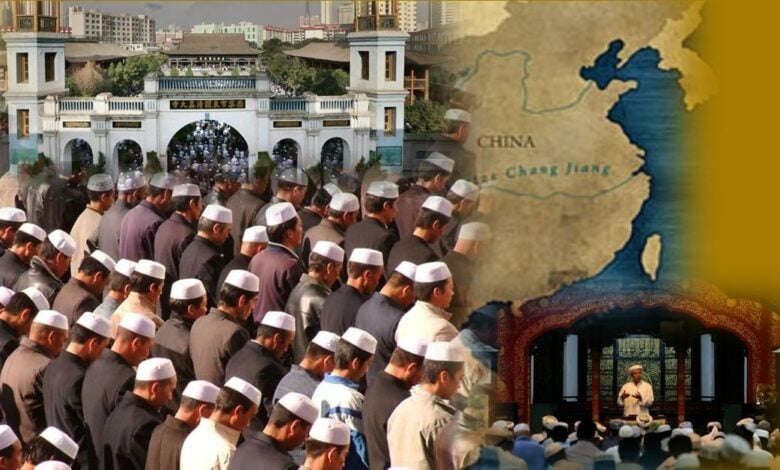
Recent media reports have disclosed new details about policies adopted by Chinese authorities to tighten control over Muslim minorities through an extensive system of administrative and technological surveillance. The measures reportedly include monitoring religious practices and restricting freedom of worship in several regions.
According to the investigations, these policies have relied on the creation of large-scale databases over a number of years, which were later developed into comprehensive monitoring systems. These systems reportedly use advanced technologies, including facial recognition, to track the movement of worshippers and monitor their activities both inside and outside mosques.
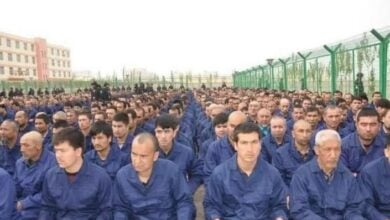
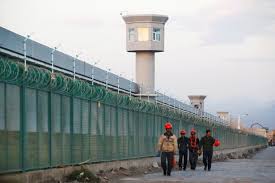
The reports state that surveillance cameras installed at the entrances of places of worship are used to record the frequency of visits and map social connections. In many cases, this monitoring has allegedly led to punitive measures, including security interrogations, loss of employment opportunities, restrictions on travel, and, in some instances, transfer to facilities described as “re-education” centers.
The findings indicate that these measures are part of a broader policy known as the “Sinicization of religions,” which has included altering the architectural character of mosques, demolishing minarets, and restricting the use of the Arabic language and religious symbols. These steps are described as part of efforts to reshape religious identity in line with official state policies.
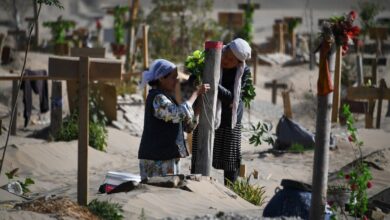
The reports also highlight the human impact of these policies, noting that many Muslims live in a state of fear and anxiety, with some practicing their religious rituals in secrecy to avoid questioning or punishment under strict surveillance conditions.
Observers say the revelations underscore the scale of challenges facing Muslim minorities in China and raise renewed questions about religious freedoms and human rights. The reports have prompted growing calls on the international community to monitor these developments and to press for the protection of freedom of belief and the right to practice religious rituals without restrictions or surveillance.