
Mass grave in Jordan reveals shocking data on world’s earliest recorded pandemic
Mass grave in Jordan reveals shocking data on world’s earliest recorded pandemic
——————————-
A US-led research team has verified the first Mediterranean mass grave of the world’s earliest recorded pandemic, offering stark new details about the plague of Justinian that killed millions of people in the Byzantine empire between the sixth and eighth centuries.
According to The Guardian, the findings, published in February’s Journal of Archaeological Science, provide what researchers say is a rare empirical window into the mobility, urban life and vulnerability of citizens affected by the pestilence.
DNA taken from bodies at a mass burial ground at Jerash in modern-day Jordan show the grave represented “a single mortuary event”, instead of the normal, gradual growth over time of a traditional cemetery, according to the team that last year identified Yersinia pestis as the microbe that caused the plague.
The new research focused on the victims, how they lived, their susceptibility to the disease and why they were in Jerash, a regional trade hub and the epicenter of the pandemic that raged from AD541 to AD750.
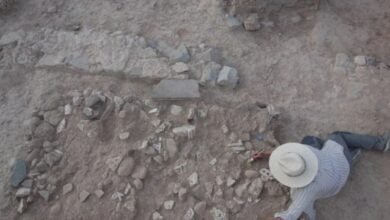
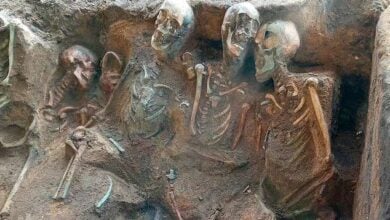
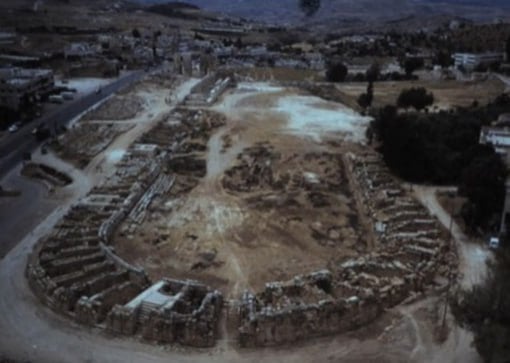
Excavations revealed more than 200 people were buried in the grave at the hippodrome in Jerash, known as the Pompeii of the Middle East for its preserved Greco-Roman ruins. Jiang said they were a mix of men and women, old and young, “people in their prime, and teenagers”.