
Climate Change Threatens Future Winter Olympic Venues
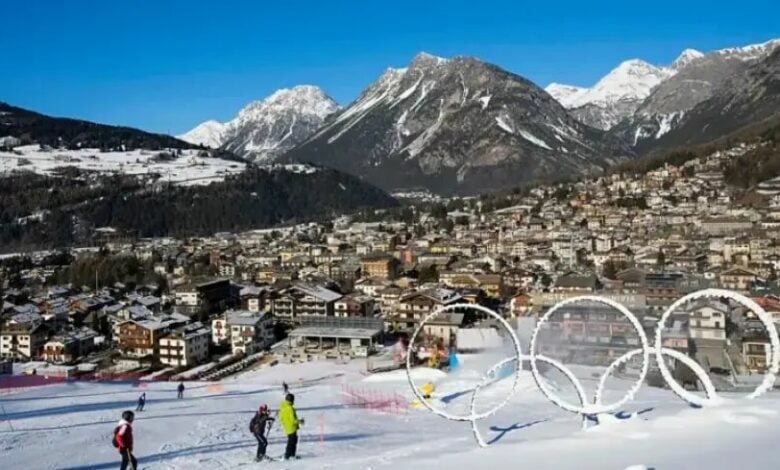
The effects of climate change are increasingly impacting winter sports, raising concerns about the viability of future Olympic Games, experts warn. The upcoming 2026 Winter Olympics in Milan and Cortina, Italy, highlight the urgent need for adaptation to warming winters, reduced snowfall, and shifting weather patterns. Athletes such as French biathlete Maya Cloetens have observed shorter, milder winters and diminished snow in traditional training locations like Grenoble, once host of the 1968 Winter Games.
Research from the University of Waterloo and the University of Innsbruck indicates that of 93 current mountain locations suitable for the Winter Olympics, only 52 are likely to remain viable by the 2050s, with the number possibly falling to 30 by the 2080s. The International Olympic Committee (IOC) is considering rotating events among a smaller set of reliable venues and scheduling competitions earlier in the season to adapt to changing conditions.
Artificial snow has become increasingly necessary, with Beijing 2022 relying almost entirely on snowmaking, compared with none in Cortina 1956. For Milan-Cortina, organizers plan to produce about 2.4 million cubic meters of snow, requiring nearly 946 million liters of water. Experts caution that rising temperatures and water scarcity could limit snowmaking in the future.
The IOC has committed to sustainability by reducing energy and water consumption, prioritizing existing infrastructure, and enforcing environmental standards for host cities. Officials emphasize that these measures are essential to protect the future of winter sports amid global warming.