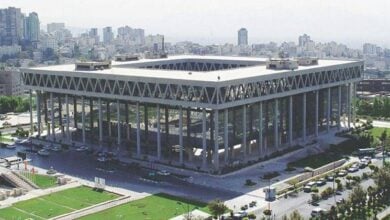

Israel’s Academic Focus on Shiism Raises Strategic Questions, Researchers Say
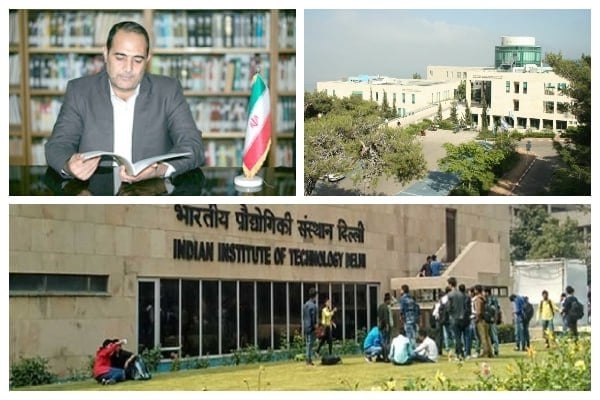
Israel’s Academic Focus on Shiism Raises Strategic Questions, Researchers Say
———————————
Academic programs on Shiism have expanded within Israeli universities, a development that researchers say reflects not only scholarly interest but also broader political and security considerations tied to regional dynamics.
Shiism has become a well-established field of academic study at universities worldwide, including institutions located in the Palestinian territories occupied by Israel, according to a report published by IQNA on January 6. Israeli universities have incorporated Shiite studies into structured programs within departments of Islamic and Middle Eastern studies.
Ali Maroufi Arani, a researcher specializing in Zionism and Judaism, argues that this research goes beyond neutral academic inquiry. He says Shiism is viewed by Israeli decision-makers as a key element of regional resistance, particularly due to Iran’s influence, prompting sustained efforts to study Shiite history, theology and political structures.
Universities such as Tel Aviv University, the Hebrew University of Jerusalem, Haifa University and Bar-Ilan University reportedly host dedicated programs, research centers and academic chairs focusing on Islamic and Shiite studies. These programs include undergraduate and postgraduate degrees, seminars and international conferences, and are linked to global academic networks.
According to the report, Israeli research on Shiism follows two main tracks: one examining rationalist Shiite theology for comparative religious studies, and another focusing on Salafi thought, which critics say may contribute to sectarian narratives within the Muslim world.
The author of the report contends that some academic outputs have informed policy analysis and security assessments. He concludes that Shiite studies in Israel form part of a long-term strategy combining scholarship with geopolitical objectives, highlighting what he describes as an increasingly “cognitive and academic” dimension of regional competition.