
Fuel Delivery Allows Partial Resumption of Services at Gaza’s Al-Awda Hospital, but Shortages Persist
Fuel Delivery Allows Partial Resumption of Services at Gaza’s Al-Awda Hospital, but Shortages Persist
—————————-
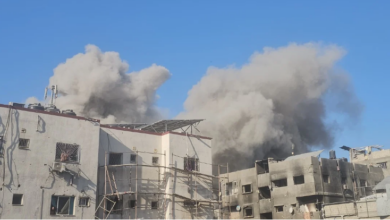
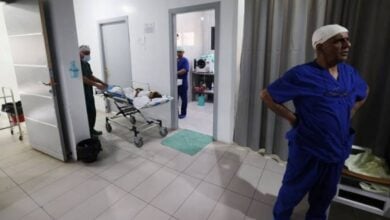
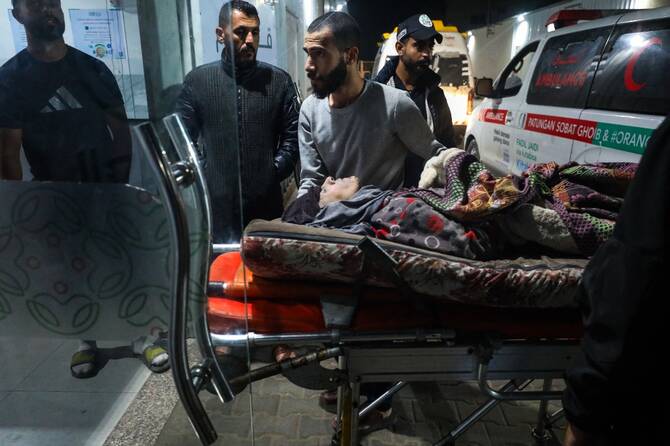
Al-Awda Hospital in the central Gaza district of Nuseirat has partially resumed medical services after receiving an emergency fuel delivery, but hospital officials warned the supplies would last only about two days, underscoring the continued fragility of Gaza’s health system amid a deepening humanitarian crisis.
The hospital, which serves around 60 in-patients and treats nearly 1,000 people daily, had earlier suspended most services due to a critical shortage of diesel needed to power generators. Ahmed Mehanna, a senior official involved in hospital management, said earlier on Friday that only essential departments — emergency care, maternity and pediatrics — remained operational, with the facility forced to rent a small generator to keep them running.
Later the same day, Mehanna said 2,500 liters of fuel had arrived from the World Health Organization, allowing the hospital to resume some operations. He cautioned that the fuel would last only about two and a half days, though an additional delivery has been promised.
Under normal conditions, Al-Awda Hospital requires between 1,000 and 1,200 liters of diesel per day, but prior to the delivery it had only about 800 liters available. Mohammed Salha, the hospital’s acting director, accused Israeli authorities of restricting fuel access for local health facilities while allowing supplies for international institutions.
The situation reflects broader conditions in Gaza, where a fragile truce in place since October 10 has not alleviated severe shortages. Although the ceasefire agreement envisaged 600 aid trucks per day, only 100 to 300 humanitarian trucks are currently entering, according to the United Nations and aid groups.
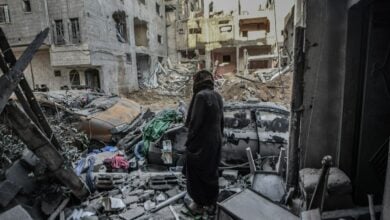
Gaza’s health sector has been among the hardest hit by more than two years of war. International NGOs now support a significant share of remaining hospital capacity, while civilians continue to report lack of access to basic medical services.
The war began on October 7, 2023, after a Hamas attack on Israel that killed 1,221 people, mostly civilians, according to Israeli figures compiled by AFP. Israel’s subsequent military campaign has killed at least 70,942 people in Gaza, according to the Hamas-run health ministry, figures considered reliable by the United Nations.