
Quranic Schools Recognized as Pillars of National Identity and Resilience in Algeria
Quranic Schools Recognized as Pillars of National Identity and Resilience in Algeria
————————-
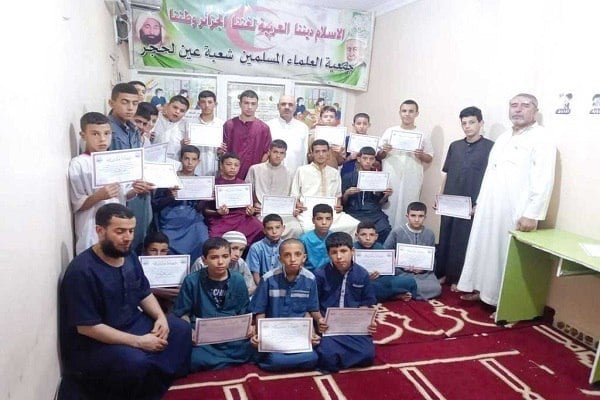
Educational leaders and religious scholars gathered in the Sidi Boubekeur region of Saïda province on December 24, to highlight the historical and contemporary significance of Quranic schools in safeguarding Algeria’s national identity. The study day, titled “Quranic Education and its Role in Preserving National Identity,” was hosted by the Zelmaty El Hadj Educational Foundation and brought together imams and educators to discuss the spiritual and social foundations of the nation.
During the meeting, Koudad Ali, the director of the Zelmaty El Hadj Foundation, emphasized that Quranic institutions served as vital centers of resistance and cultural preservation during the period of French colonization. He noted that by maintaining the Arabic language and Islamic values, these schools prevented the erosion of the Algerian identity. Today, these schools—often integrated within mosques—continue to function as hubs for Ijtihad (independent reasoning), spiritual growth, and the promotion of civilized behavior, ensuring social cohesion in the post-independence era.
Sheikh Mekki Ben Othman further reflected on the role of the Quran as a fundamental pillar of the National Liberation Revolution. He argued that the teachings of these schools provided the moral and linguistic framework that unified the Algerian people in their struggle for sovereignty. The speakers concluded that the continued support of these institutions is essential for reinforcing a sense of belonging among younger generations, producing Quranic memorizers who frequently transition into higher academic institutions while remaining grounded in their cultural heritage.