
Sudan’s Health System on the Brink After 1,000 Days of War
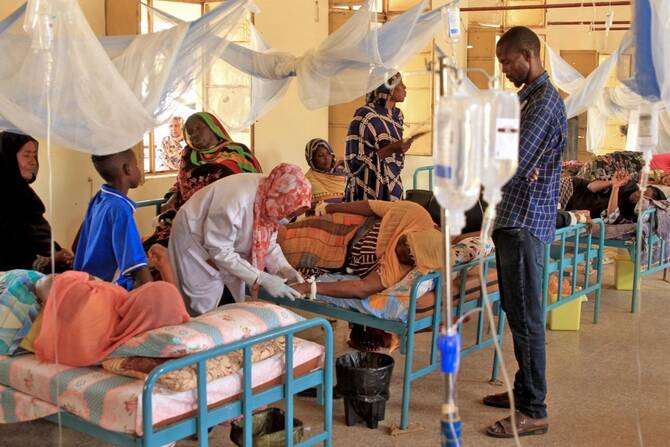
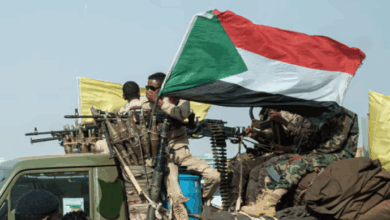
After more than 1,000 days of conflict between the Sudanese Armed Forces and the paramilitary Rapid Support Forces, Sudan’s health system is facing collapse, with millions of civilians at risk, according to Arab News citing UN and humanitarian agencies.
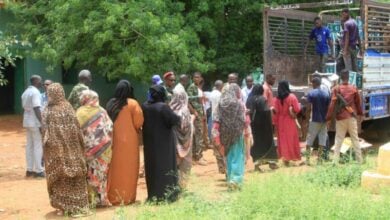
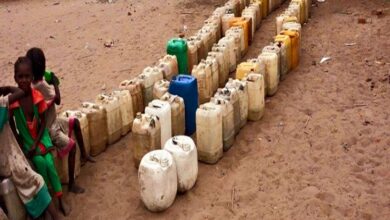
Attacks on hospitals, mass displacement, and disease outbreaks have overwhelmed the system. The World Health Organization (WHO) reports that over 20 million people now require health assistance, while an estimated 33.7 million will need humanitarian aid this year. More than 37 percent of health facilities are non-functional, with some areas in Darfur and Kordofan losing up to 80 percent of clinics. Outbreaks of cholera, malaria, dengue, measles, and polio are spreading, worsened by damaged water and sanitation infrastructure.
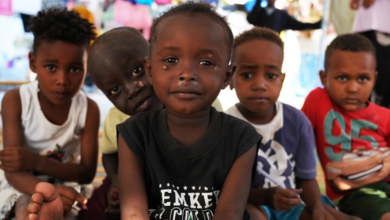
Children are particularly affected, with over 5 million displaced and hundreds of thousands facing severe acute malnutrition. UNICEF warns that maternal and child health services have collapsed in many areas, making childbirth life-threatening for women in displacement camps.
Despite these challenges, organizations including WHO, UNICEF, and the Sudanese American Physicians Association are working to restore essential services. SAPA recently reopened Bahri Teaching Hospital in Khartoum, while WHO has delivered medicines, treated millions, and vaccinated children against cholera.
Humanitarian experts stress that peace and unrestricted aid access are critical to prevent further deterioration and protect Sudan’s health system from total collapse.