
Advocates Warn of U.S. Complicity as Sudan Crisis Deepens After Fall of El-Fasher
Advocates Warn of U.S. Complicity as Sudan Crisis Deepens After Fall of El-Fasher
————————————–
Advocates and humanitarian workers are raising alarm over what they describe as international complicity—including by the United States—in the escalating genocide and famine in Sudan, following the Rapid Support Forces’ (RSF) capture of el-Fasher, the capital of North Darfur, on October 26 after an 18-month siege.
More details in the following report:
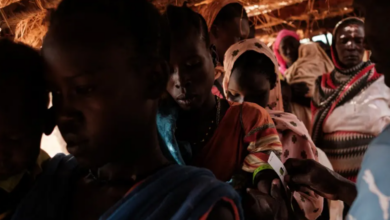
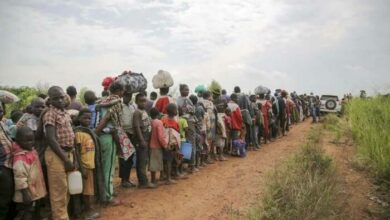
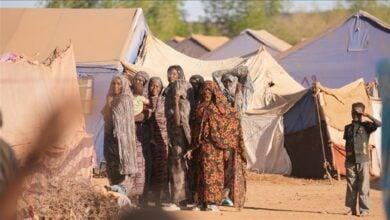
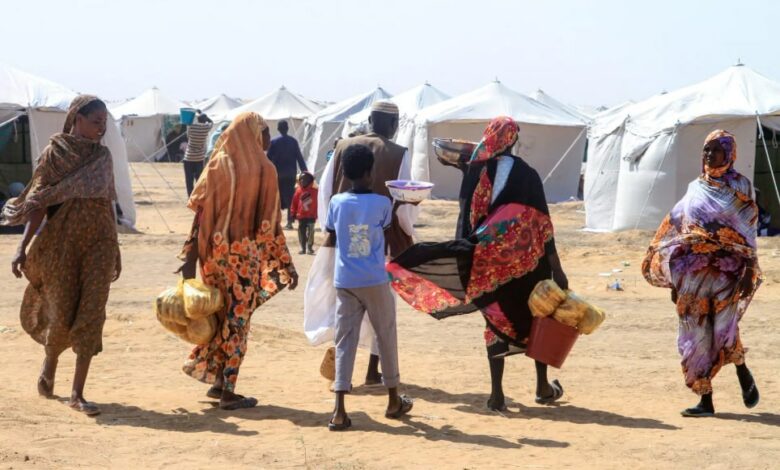
Advocacy groups and humanitarian activists have raised concerns about the deepening crisis in Sudan, blaming international diplomatic inaction and media negligence. According to Prism, which cited United Nations assessments, approximately 89,000 civilians have fled el-Fasher, while thousands remain trapped amid severe food shortages and widespread violence. Since the civil war began in April 2023, up to 150,000 people have been killed across Sudan and 12 million displaced.
Researchers and rights advocates say the RSF’s campaign has been enabled by weapons, financing, and intelligence support from the United Arab Emirates (UAE), a long-time U.S. ally. Prism reported that earlier investigations by Middle East Eye detailed a UAE-run supply network channeling munitions to the RSF through Libya, Chad, and Uganda, while gold from RSF-controlled mines is traded in the Emirates.
Reem Abbas, a Sudanese researcher interviewed by Prism, said the conflict has evolved into “a proxy war where there is a lot of imperialism involved,” arguing that arms sales to the UAE effectively make supporting countries “complicit in this genocide.” The U.S. approved $1.4 billion in weapons sales to the UAE this year and maintains a $1.4 trillion bilateral economic partnership.
Conditions for civilians continue to deteriorate. Nic Pyatt of Nonviolent Peaceforce told Prism that the prolonged siege of el-Fasher created catastrophic shortages of food, water, fuel, and medical care, with hospitals and civilian areas repeatedly targeted. The UN now estimates 21.2 million people in Sudan face acute food insecurity.
Meanwhile, the conflict has taken a severe toll on journalists. The Committee to Protect Journalists (CPJ) confirmed to Prism that at least 14 journalists have been killed by the RSF, with others abducted or assaulted. CPJ said the media blackout has made documenting violations increasingly difficult, while satellite imagery has revealed evidence of massacres previously concealed.
Abbas and other Sudanese civilians interviewed stressed that they have lost homes, livelihoods, and family security, and said international silence has emboldened atrocities. “Civilians are the biggest losers in this war,” Abbas said, calling for an end to narratives that misrepresent Sudanese communities while militia forces continue attacks on schools, hospitals, and residential areas.
Full reporting by Prism highlights the urgent need for international accountability, greater media attention, and immediate humanitarian access to besieged Sudanese populations.