

IMF Warns Middle East Tensions Could Weigh on Global Growth, Fuel Inflation
IMF Warns Middle East Tensions Could Weigh on Global Growth, Fuel Inflation
——————————————-
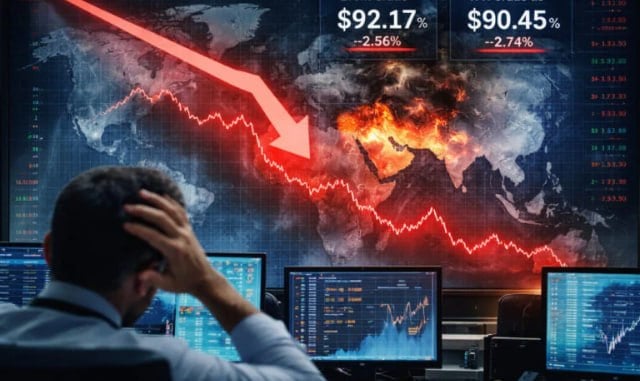
The International Monetary Fund has warned that escalating tensions in the Middle East could negatively impact global economic growth and contribute to rising inflation, particularly through disruptions to energy markets.
IMF Managing Director Kristalina Georgieva said in recent remarks reported by Reuters that geopolitical conflicts — especially those affecting major oil and gas routes — pose a growing risk to the global economy.
While the IMF has not released a specific new forecast solely tied to the latest Middle East developments, Georgieva noted that any escalation in the region could push energy prices higher, which in turn would increase inflationary pressures and slow economic activity worldwide.
The IMF’s latest baseline projections, issued earlier, estimated global growth at around 3.2–3.3% over the medium term, but officials have cautioned that these forecasts remain vulnerable to geopolitical shocks, including conflicts that disrupt trade or energy supply chains.
Analysts say that even a short-lived conflict could leave lingering effects on markets, while a prolonged crisis could lead to more severe consequences, including tighter financial conditions, higher food and fuel costs, and increased economic uncertainty.
The IMF has repeatedly stressed that global policymakers must remain vigilant and coordinate responses to mitigate risks, particularly in areas such as energy stability and food security.