
Red Cross Warns Middle East Conflict Risks “Point of No Return” as Civilian Infrastructure Faces Severe Threats
Red Cross Warns Middle East Conflict Risks “Point of No Return” as Civilian Infrastructure Faces Severe Threats
————————————————
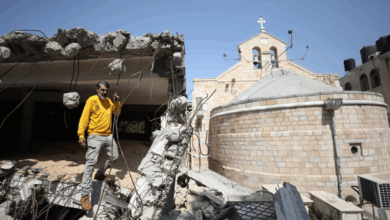
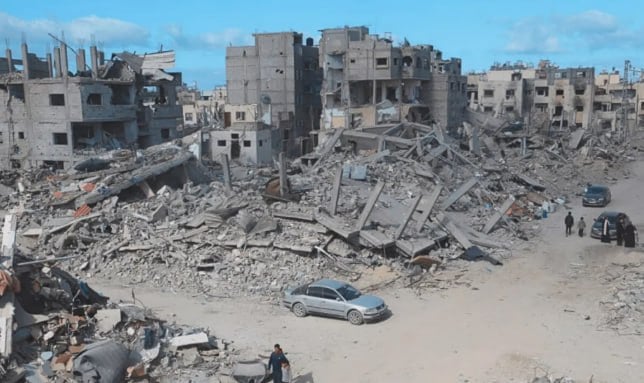
The International Committee of the Red Cross (ICRC) has issued a stark warning that continued attacks on essential civilian infrastructure in the Middle East could push the region toward irreversible humanitarian consequences and substantially worsen the plight of non‑combatants.
In comments reported this week, ICRC President Mirjana Spoljaric cautioned that recent developments, particularly in active conflict zones, risk reaching a “point of no return” if vital services such as energy, water, and health‑care systems continue to be targeted. She said that such attacks — which increasingly affect civilian access to fuel, electricity, potable water, and medical care — amount to a “war on civilians” and can have widespread, long‑lasting impacts beyond immediate battlefields.
Spoljaric also expressed deep concern about the potential damage to sensitive installations, including nuclear facilities, noting that harm to these sites would have “irreversible consequences” and is a particular worry given their protected status under international humanitarian law.
The ICRC stressed that deliberate or indiscriminate strikes on infrastructure not only deprive millions of essential services but may also amount to violations of international humanitarian law, including potential war crimes, if they disproportionately impact civilians.
Humanitarian and legal experts have echoed the Red Cross’s concerns, warning that continued erosion of civilian infrastructure will deepen humanitarian crises, disrupt access to basic needs, and undermine prospects for stable peace in a region already strained by intensifying conflict.
The ICRC has urged all parties to respect international law, protect civilian systems, and pursue diplomatic de‑escalation to prevent further suffering and avert catastrophic long‑term damage to vulnerable populations.